Premium Vibration Resistant & Micro-Gear Motors
Explore our selection of heavy-duty, high-performance actuators engineered to resist vibration and provide maximum mechanical efficiency across automotive, medical, and aerospace systems.
Quark Motion: Driving Global Industries with Precision Micro-Drives
Welcome to Quark Motion, where the physics of advanced rotation meets world-class manufacturing efficiency. As a premier, ISO9001-certified factory based in China, we specialize in the R&D, custom engineering, and mass production of high-performance Vibration Resistant Motors, DC Gear Motors, and Brushless DC Motors (BLDC).
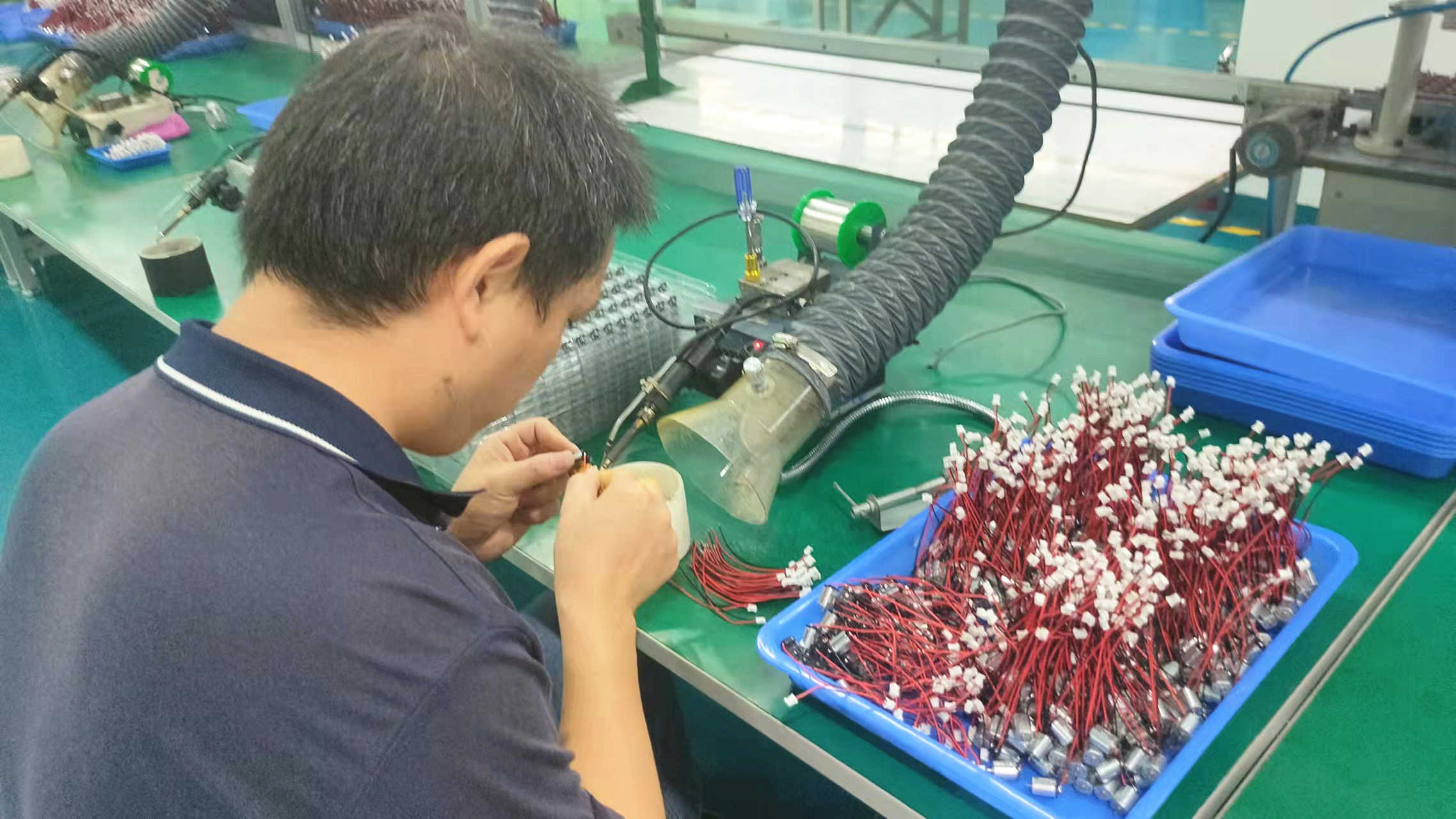
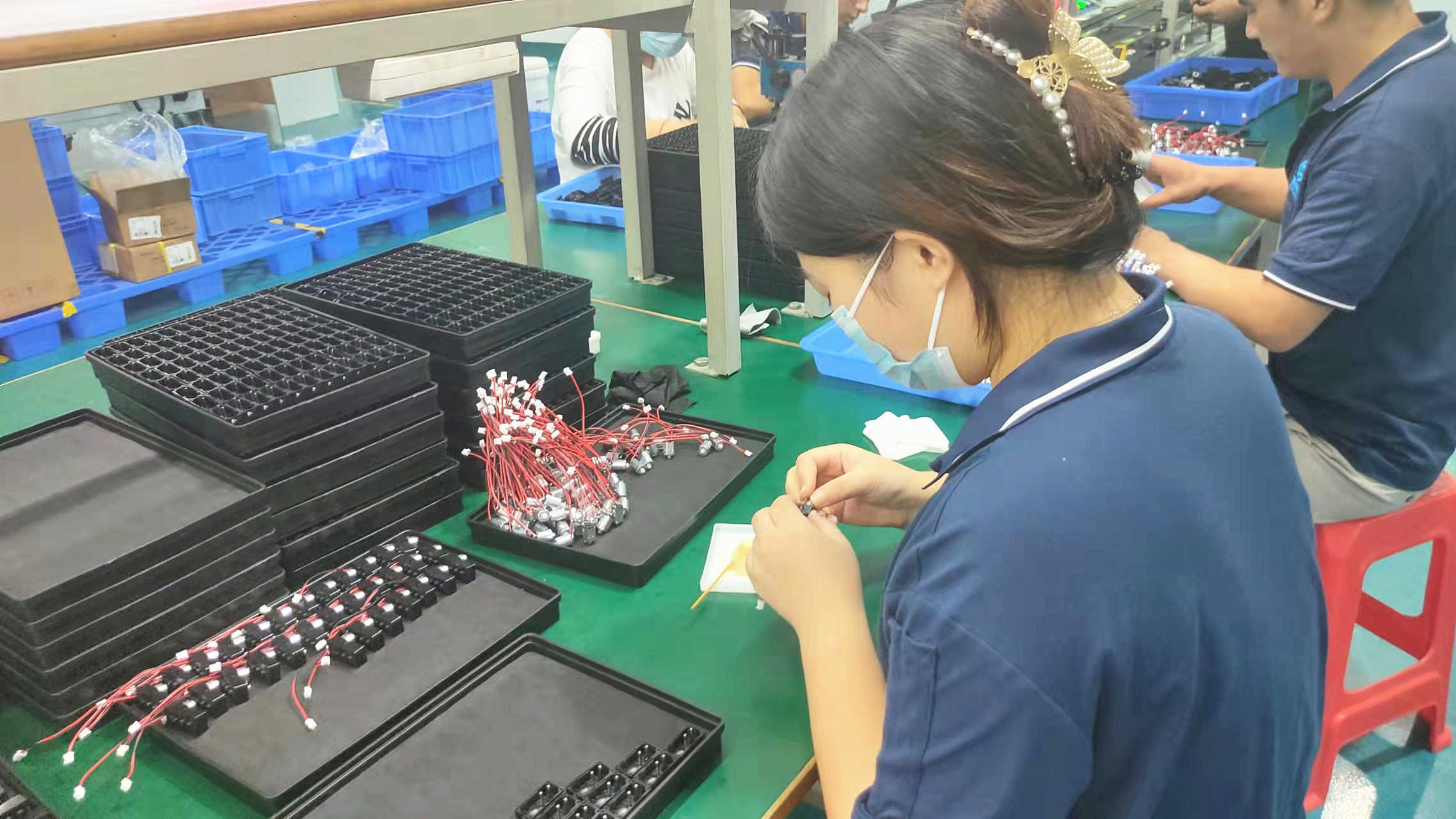
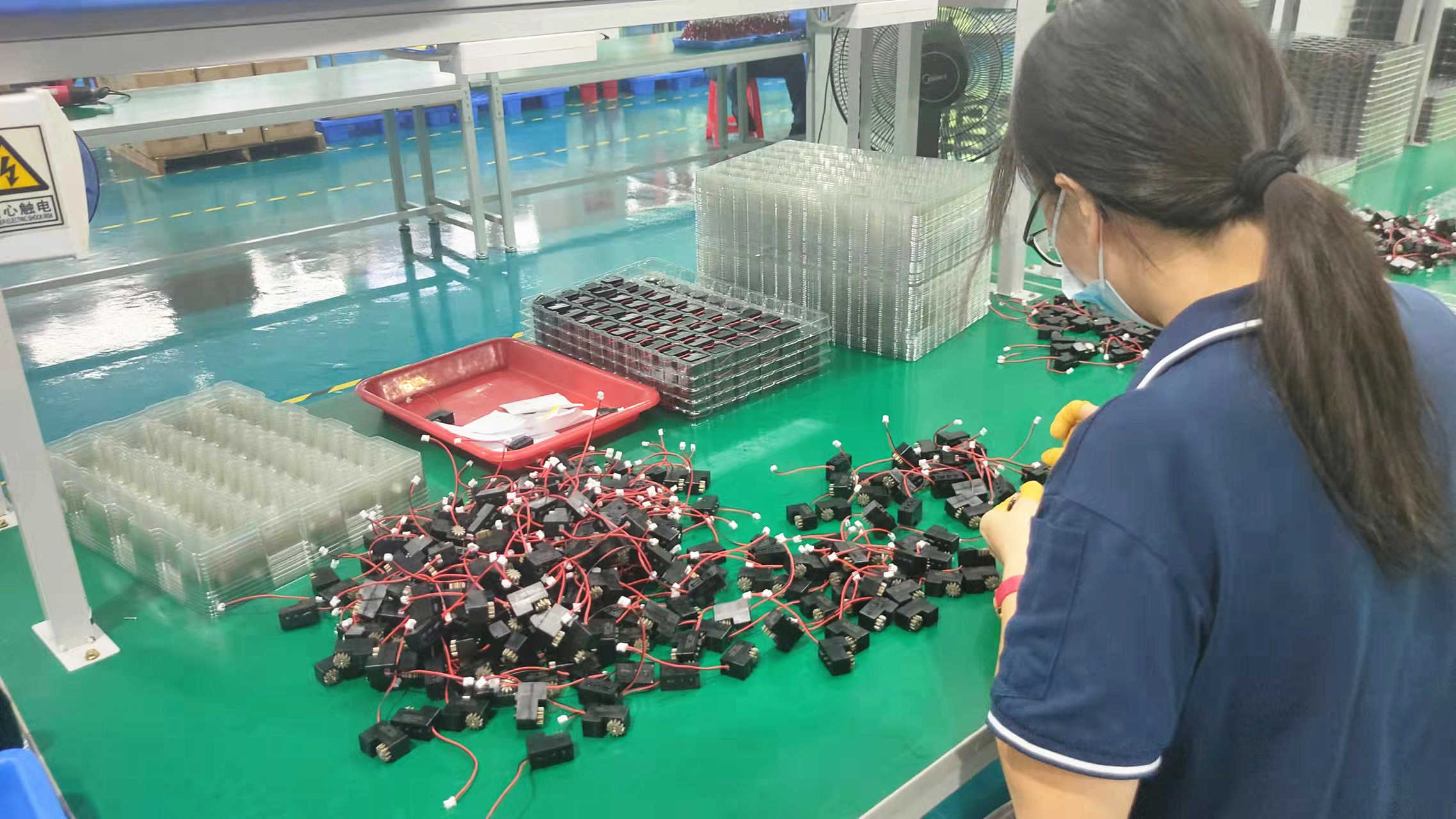
For over twenty years, Quark Motion has been the silent power behind the world's smartest devices. From high-end medical pumps and automotive electronics to smart home automation and precision robotics, our micro-drives are chosen by global OEM buyers for their exceptional power-to-size ratio, whisper-quiet acoustics, and enduring operational lifespans. We control the entire lifecycle of production, utilizing automated assembly and strict 100% in-house quality inspection to guarantee that every unit leaves our facility performing flawlessly.
"True B2B success lies in absolute flexibility. That is why Quark Motion thrives on 100% custom-engineered solutions. Backed by an elite technical team holding multiple industry patents, we provide rapid prototyping and factory-direct technical support."
Whether you require specific voltage tuning, custom shaft modifications, or bespoke gear ratios, we engineer the robust drive that keeps your business moving forward, even under the most demanding vibrational stress profiles.

Engineering Vibration Resistance in Micro-Drives
Deep-dive technological analysis of the engineering factors that define high g-force survivability in miniature electric motors.
Dynamic Rotor Balancing
We balance our rotors according to ISO 1940 standards. Precision balancing prevents internal centrifugal oscillations at high speeds, reducing motor fatigue and noise signature.
Reinforced Internal Connections
Utilizing high-tensile bonding agents and optimized mechanical anchoring for commutators and winding terminals ensures electrical continuity despite sustained external vibration.
Damping Polymers & Enclosures
Specialized elastomeric housing inserts dissipate shock waves. Hardened steel and aluminum structural casings shield the gear train from mechanical deformation.
Global Market Status & Vibration Resistant Motor Demand
Understanding how urbanization, high-precision automation, and IoT require robust micro-motors built for environmental resilience.
Modern industrial architectures are increasingly exposed to extreme conditions. The integration of motors directly into heavy machinery, automotive wheel-assemblies, and high-frequency medical devices means actuators must survive intense vibration profiles without structural failure.
Underlying Challenges: Standard micro-motors suffer brush displacement, bearing misalignment, and gear teeth fracture when subjected to mechanical shock. Our engineering processes mitigate this by hardening casing designs, using dynamic fluid analysis for lubricating materials, and reinforcing solder contact points.
CE Certification & Reliability: CE certification represents compliance with rigorous European health, safety, and environmental protection standards. For B2B procurement professionals, this ensures that the motors maintain thermal stability, do not emit electromagnetic interference, and prevent dangerous mechanical failure under vibration stress.
Industrial Trends: Industry 4.0 is accelerating the demand for low-maintenance brushless (BLDC) and coreless DC vibration-resistant motors. These systems require extended operational lifetimes—often exceeding 10,000 hours—without manual maintenance.
Automotive Shift: Electric vehicles (EVs) utilize hundreds of micro-drives for seat adjustments, HVAC flow valves, smart lock systems, and sensor-cleaning systems. These motors operate under a wide temperature spectrum and continuous road vibrations, demanding high-grade dynamic shielding.
Medical Device Safety: Wearable medication pumps, handheld dental instruments, and analytical lab vibrators rely on our motors for precise dose management under variable physical motion.
Targeted Applications of Vibration Resistant Motors
Detailed performance parameters for specific localized application scenarios, ensuring optimal operational match.
| Application Scenario | Primary Stress Factor | Required Motor Feature | Recommended Technology |
|---|---|---|---|
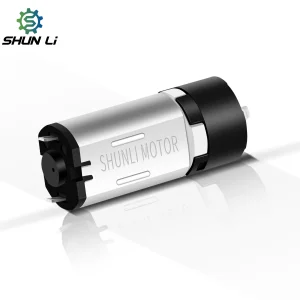
| Smart Door Locks | High impact physical shock, high-frequency usage | Compact form factor, high starting torque, metal gears | N20 Micro Gear Motor with planetary gearbox |
| Automotive Electronics | Road vibration, thermal fluctuations (-40°C to 125°C) | Reinforced solder terminals, Class H windings | DC Brushless Gear Motor (24V or 12V) |
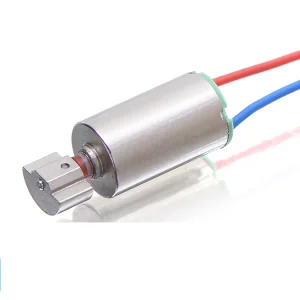
| Beauty & Medical Devices | High frequency cyclical vibrations (10,000+ RPM) | Ultra-compact body, quiet operation (<45dB), lightweight | Miniature ERM/LRA coreless vibrator motors |
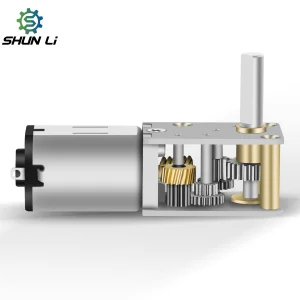
| Vending Machines & Dispensers | Continuous motor cycling, outdoor weather elements | IP65 dust/water protection, high reduction gear ratios | Worm Gear Motor with self-locking mechanisms |
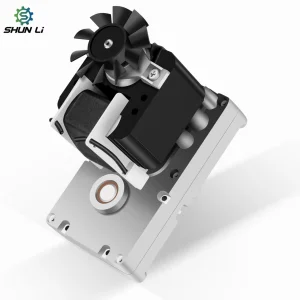
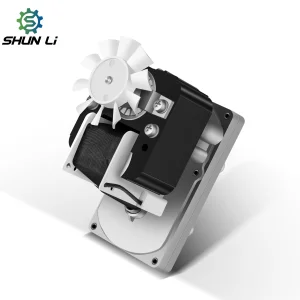
| Industrial Ovens & Fireplaces | High thermal environment, constant rotational stress | Shaded pole construction, thermal-fused protection | AC Shaded Pole Gear Motor with asynchronous drive |
The Chinese Manufacturing Advantage & Efficiency Paradigm
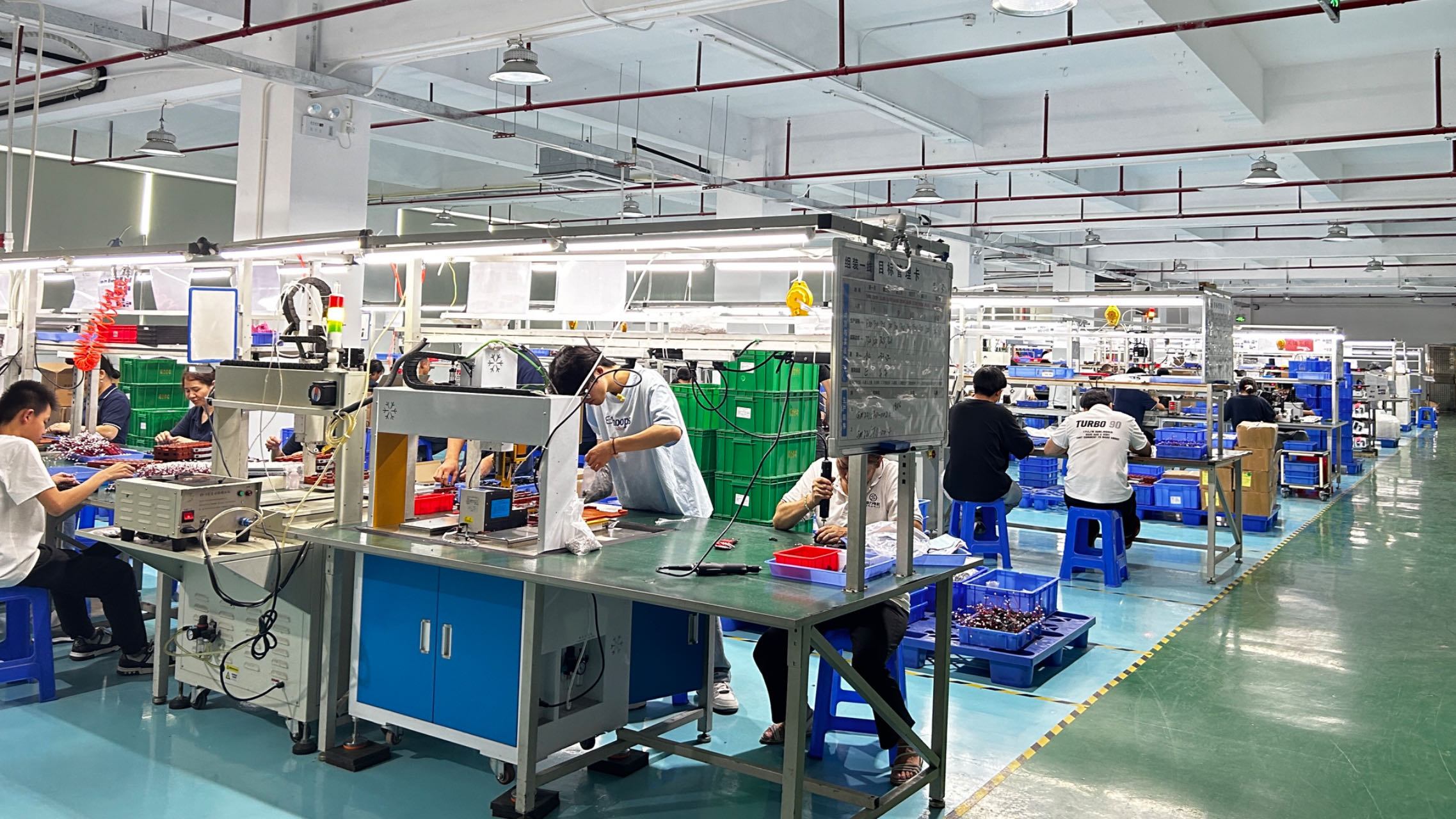
China is the global nexus for micro-motor innovation and raw materials. Operating out of our advanced facility, Quark Motion combines Chinese supply-chain speed with European quality-control metrics.
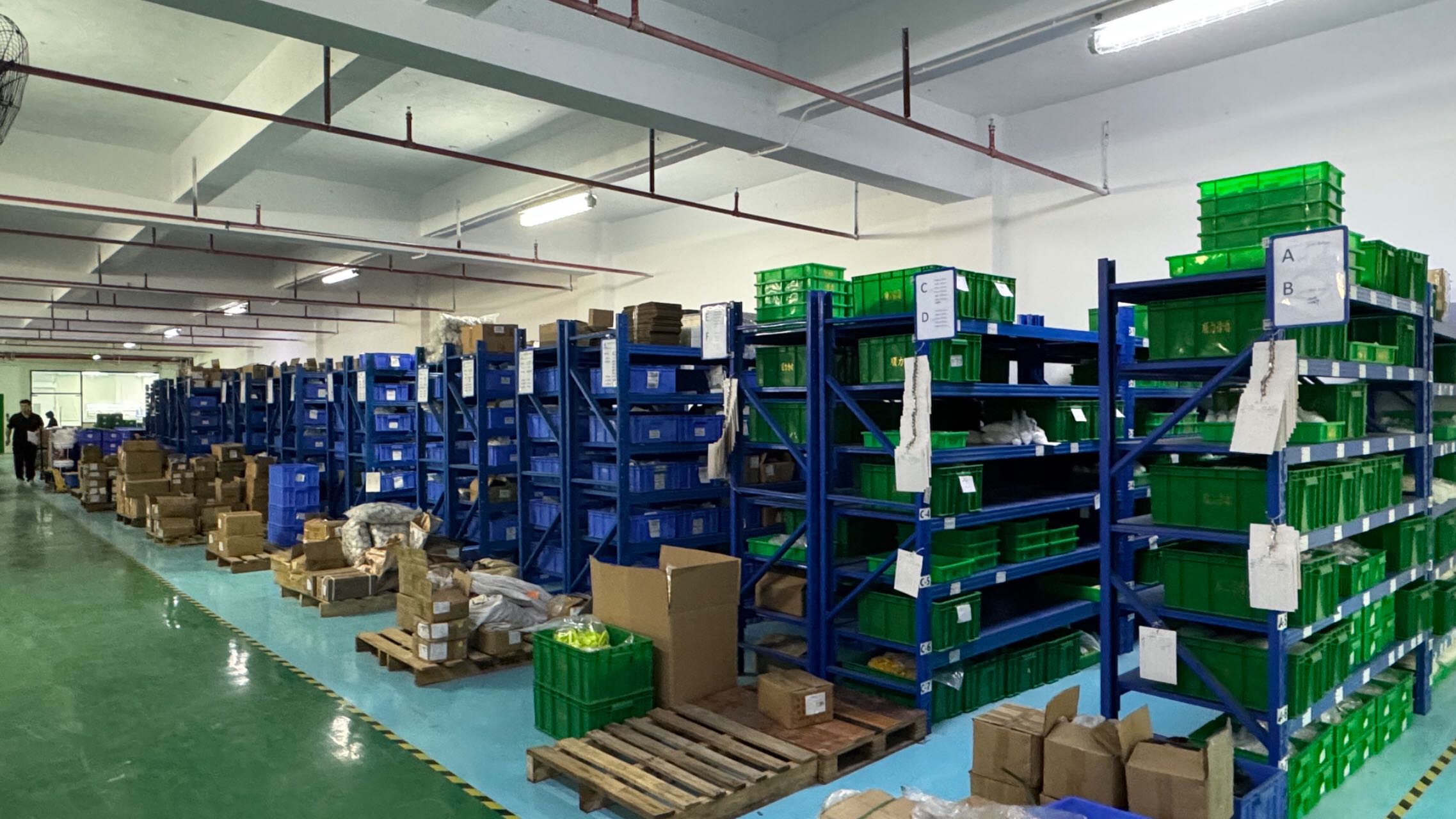
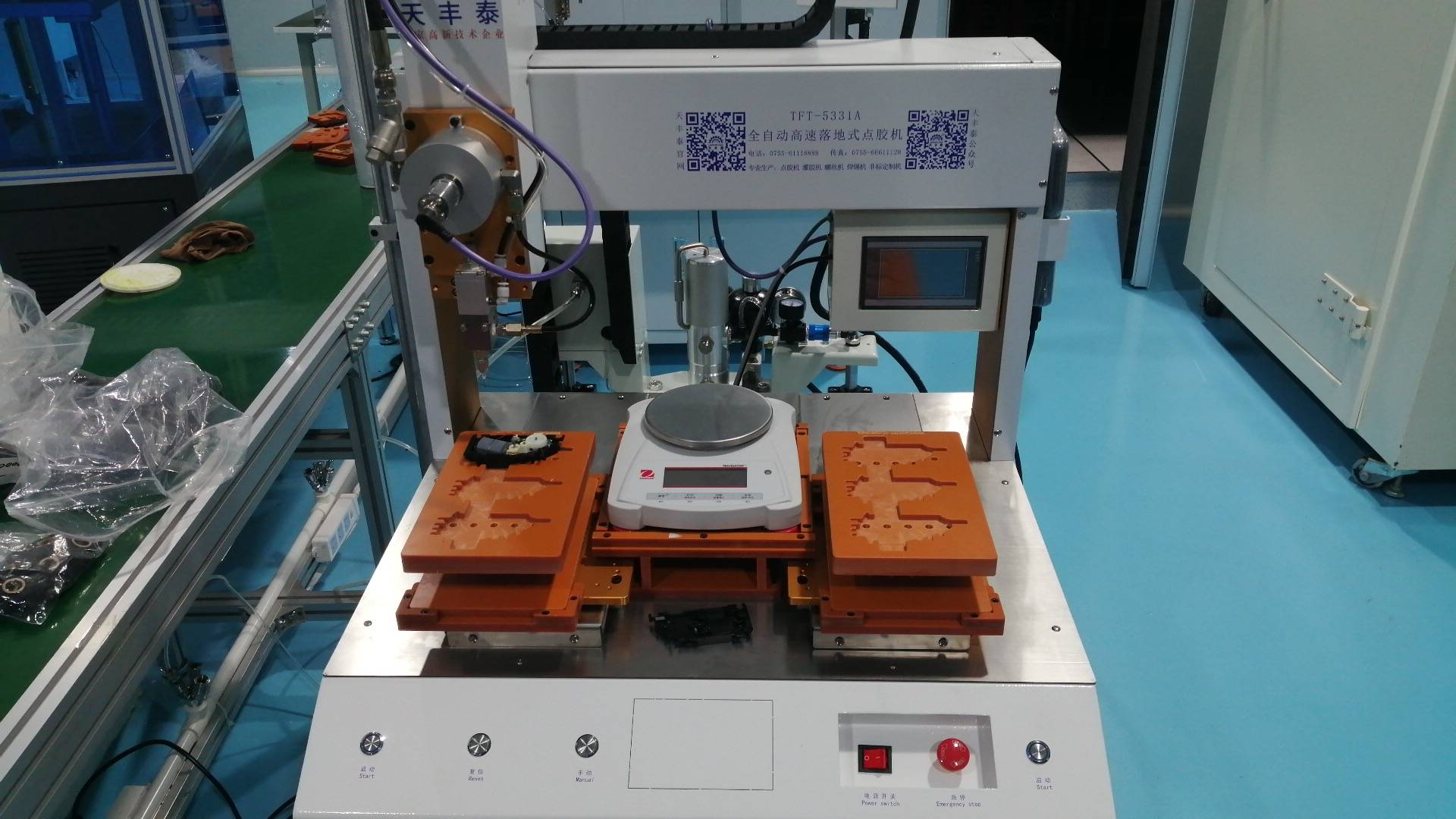
Vertical Integration of Materials: We source high-grade permanent magnets, high-purity electrolytic copper wire, and precision alloy steels locally. By bypassing secondary logistics handlers, we secure optimal raw material quality while reducing overhead costs.
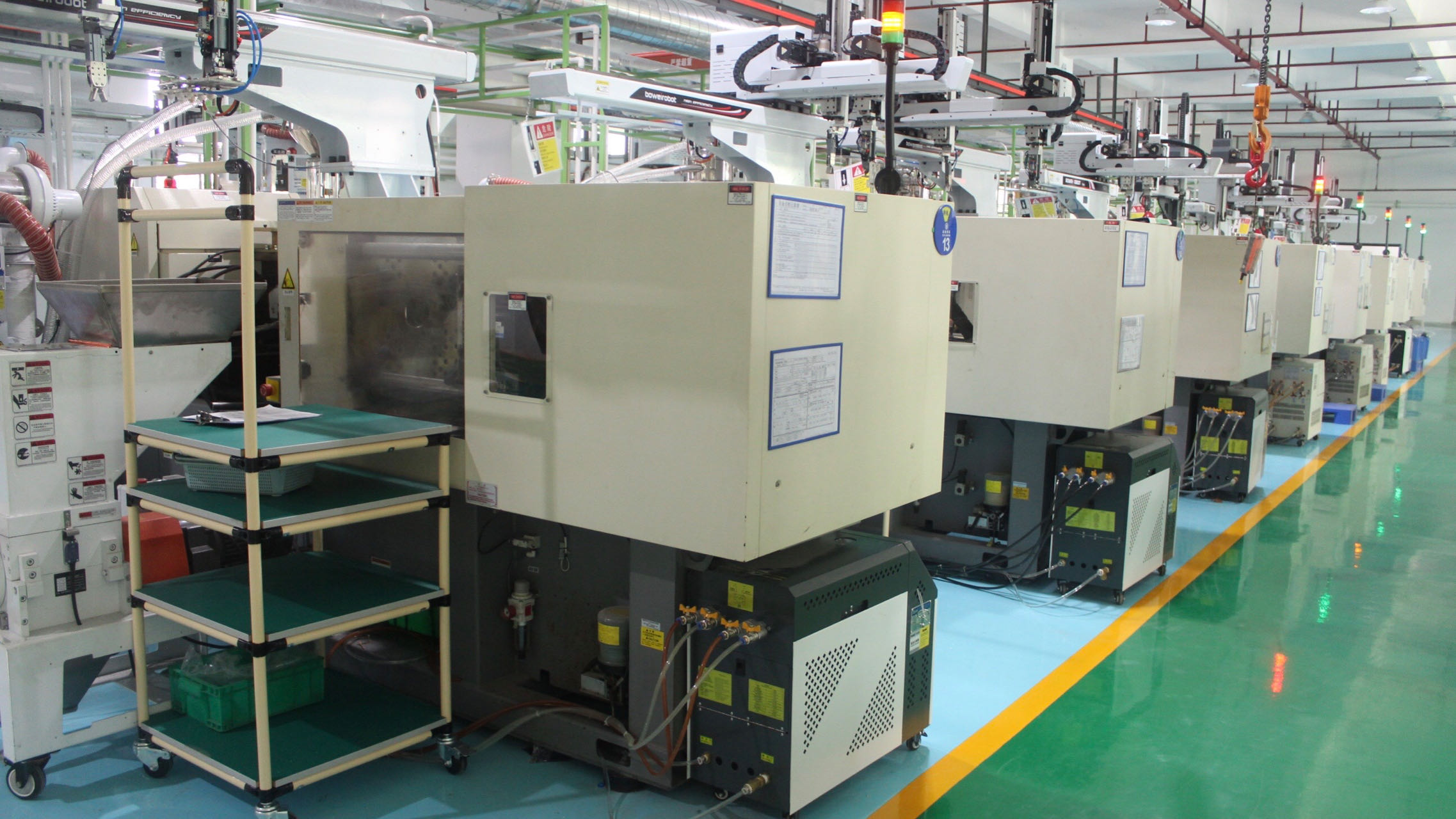
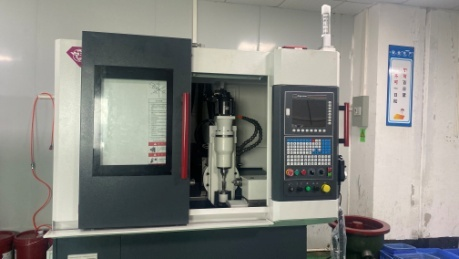
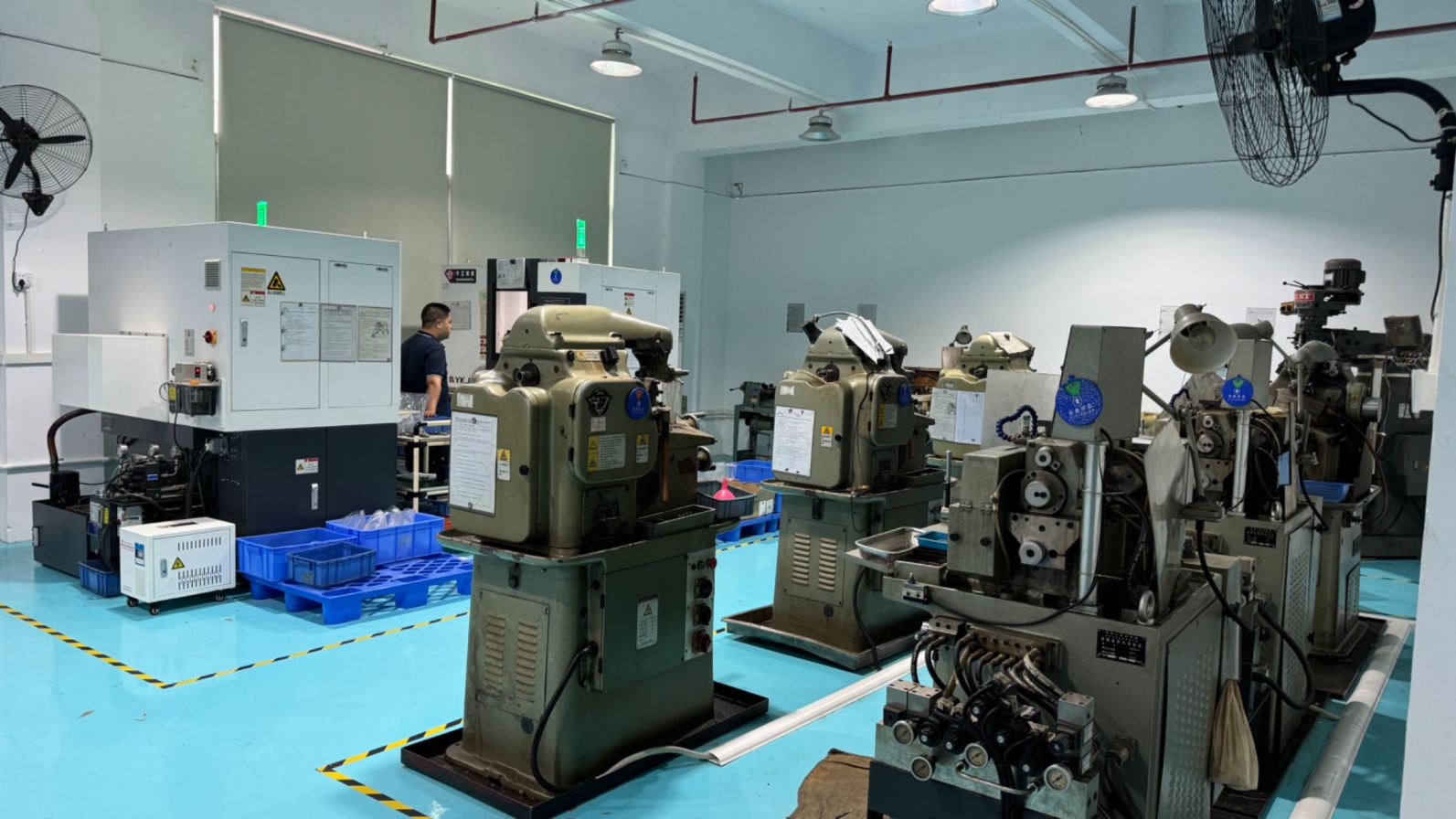
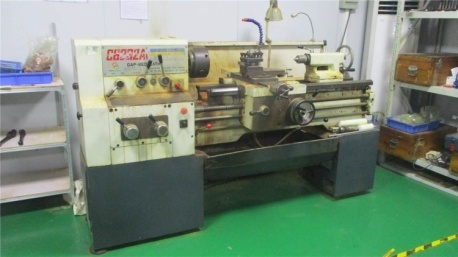
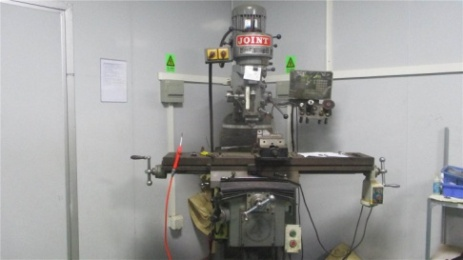
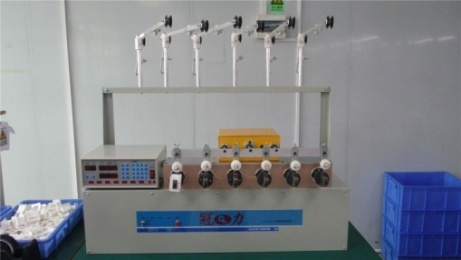
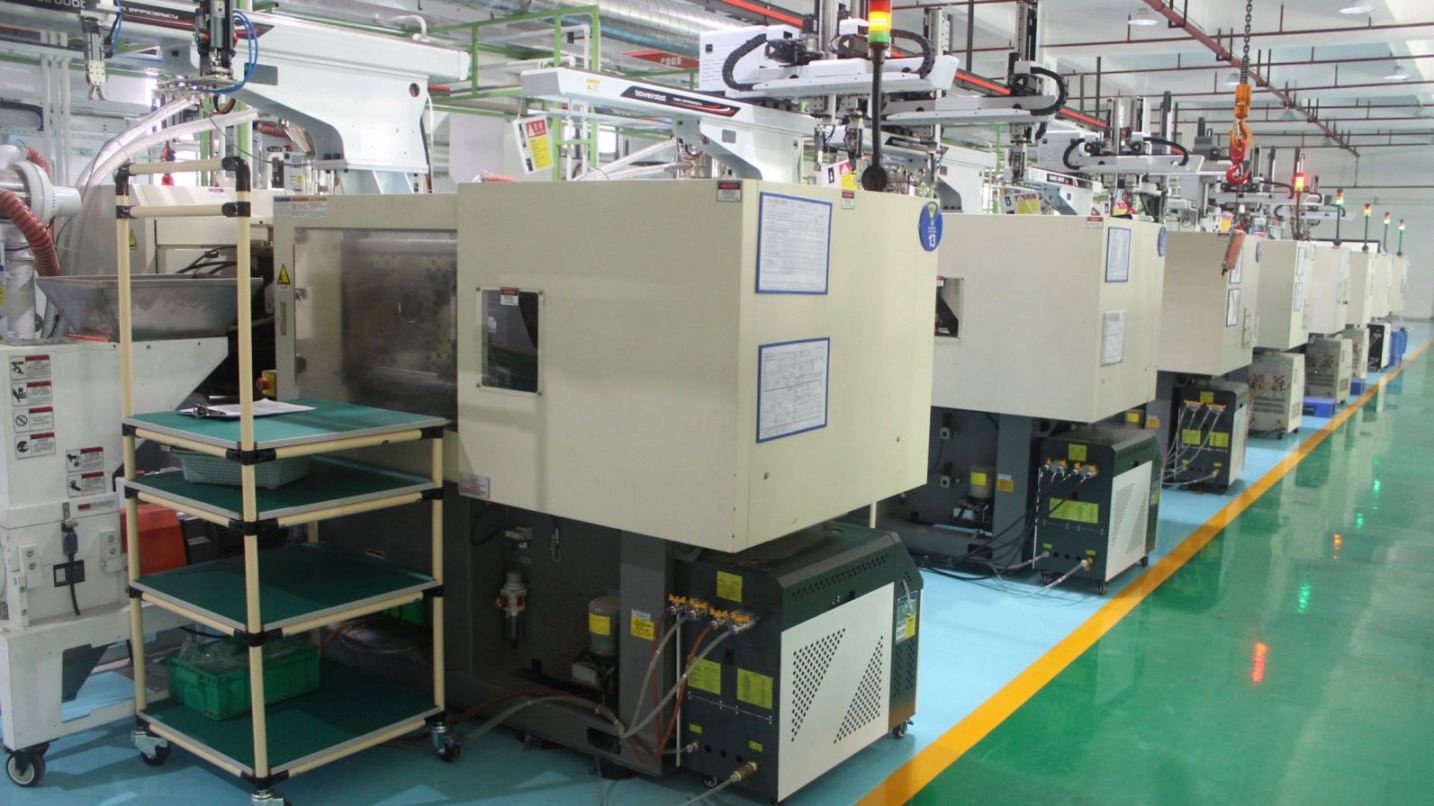
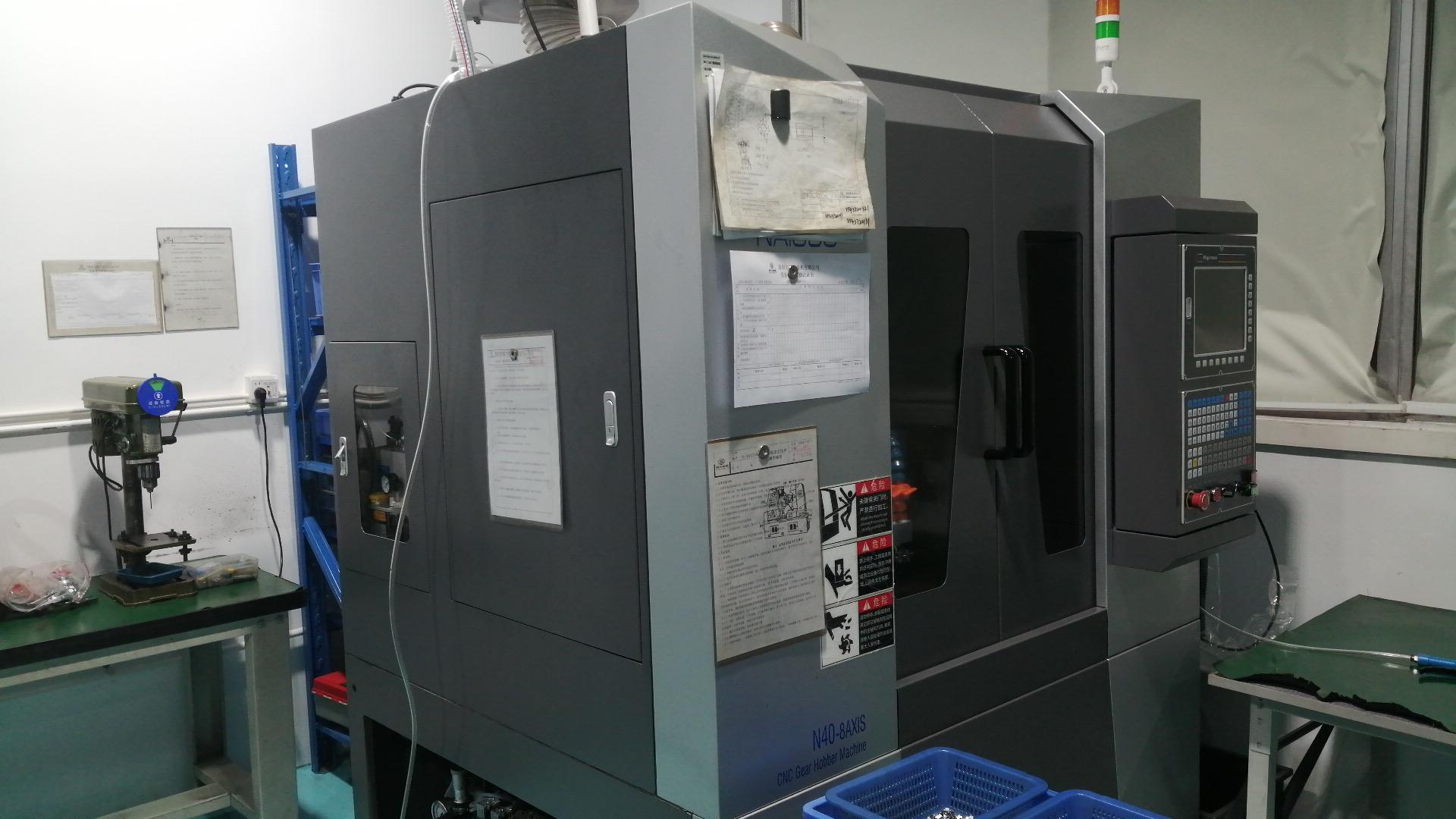
Advanced Production Tooling: Our factory floor is equipped with state-of-the-art CNC lathing, automated gear-riveting systems, and computerized wire-winding machinery. These tools ensure high consistency across high-volume production runs.
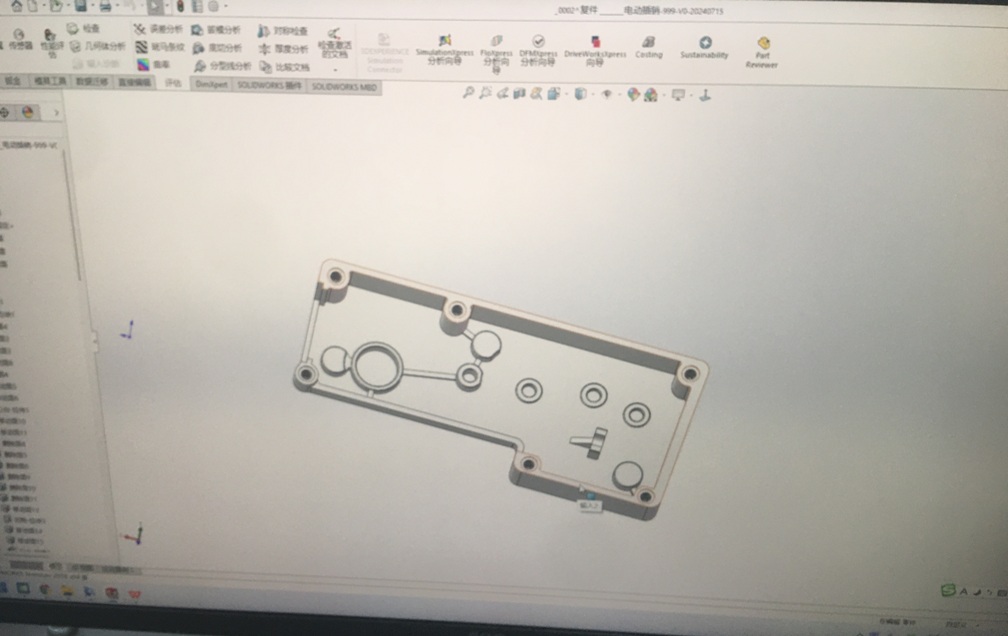
Rapid Customization Cycles: While conventional western manufacturers require 12 to 16 weeks to design and validate prototype modifications, our agile production infrastructure delivers custom shaft configurations, customized gear trains, and modified electrical specifications in as little as 3 to 4 weeks.
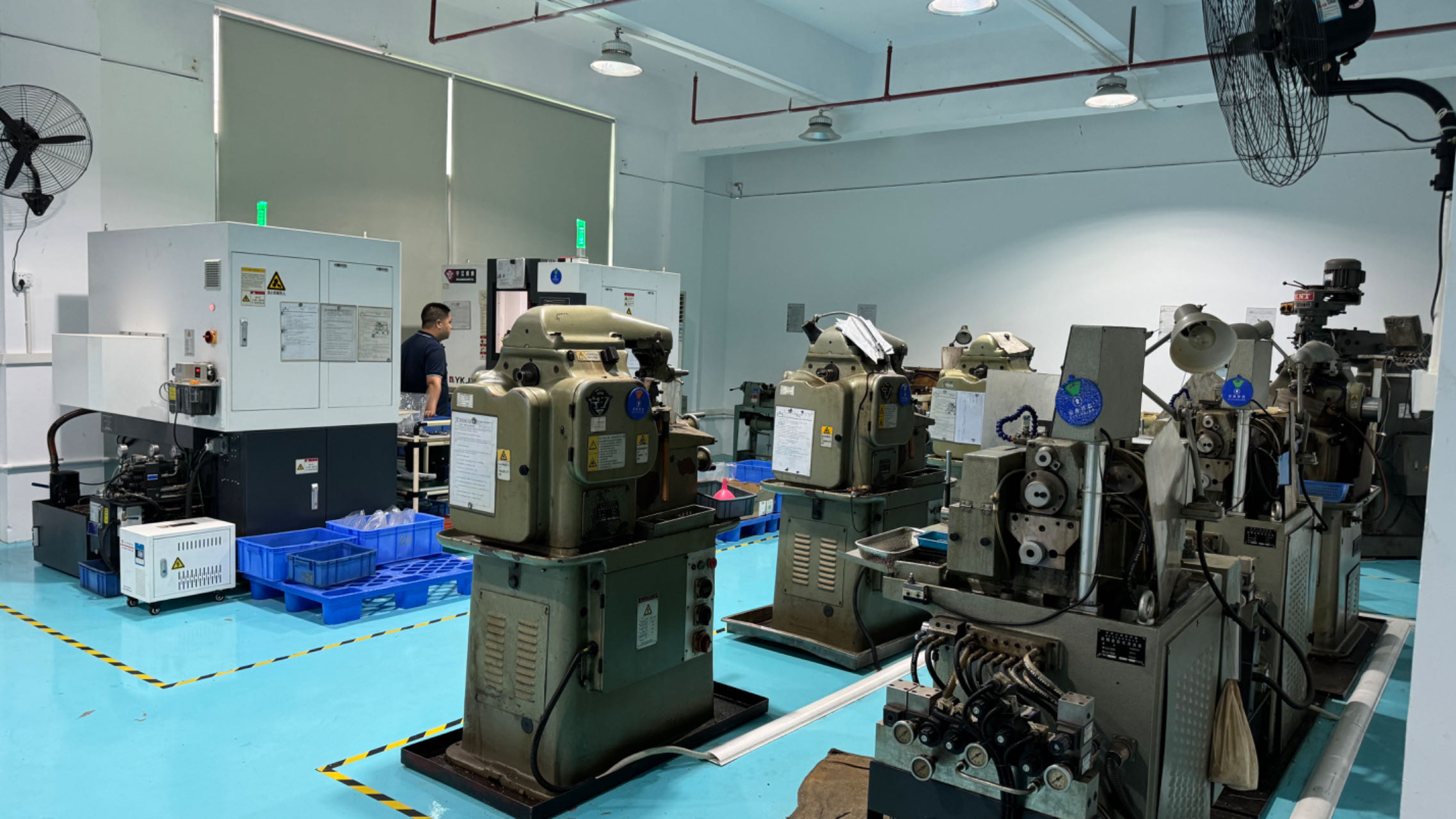
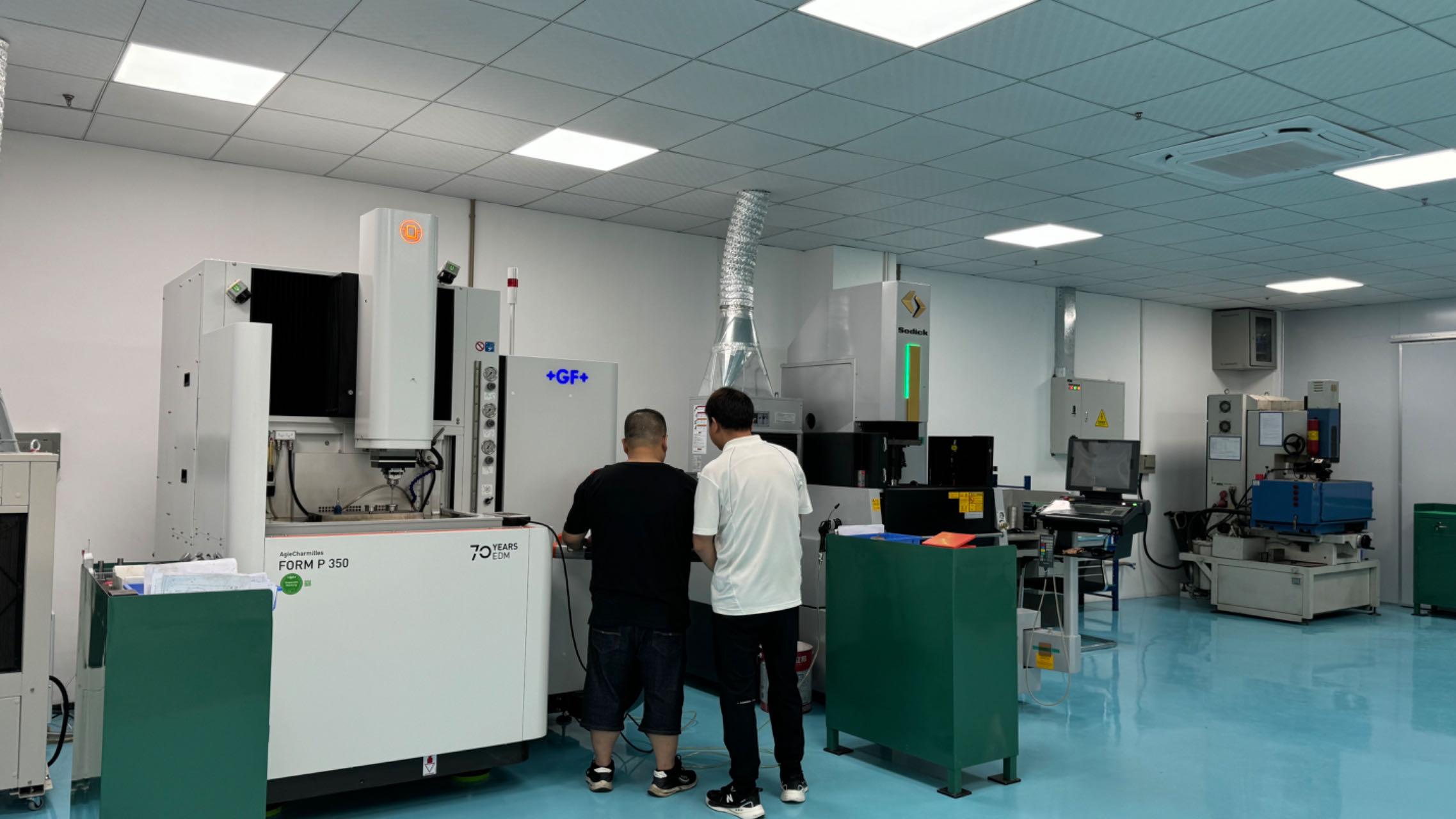
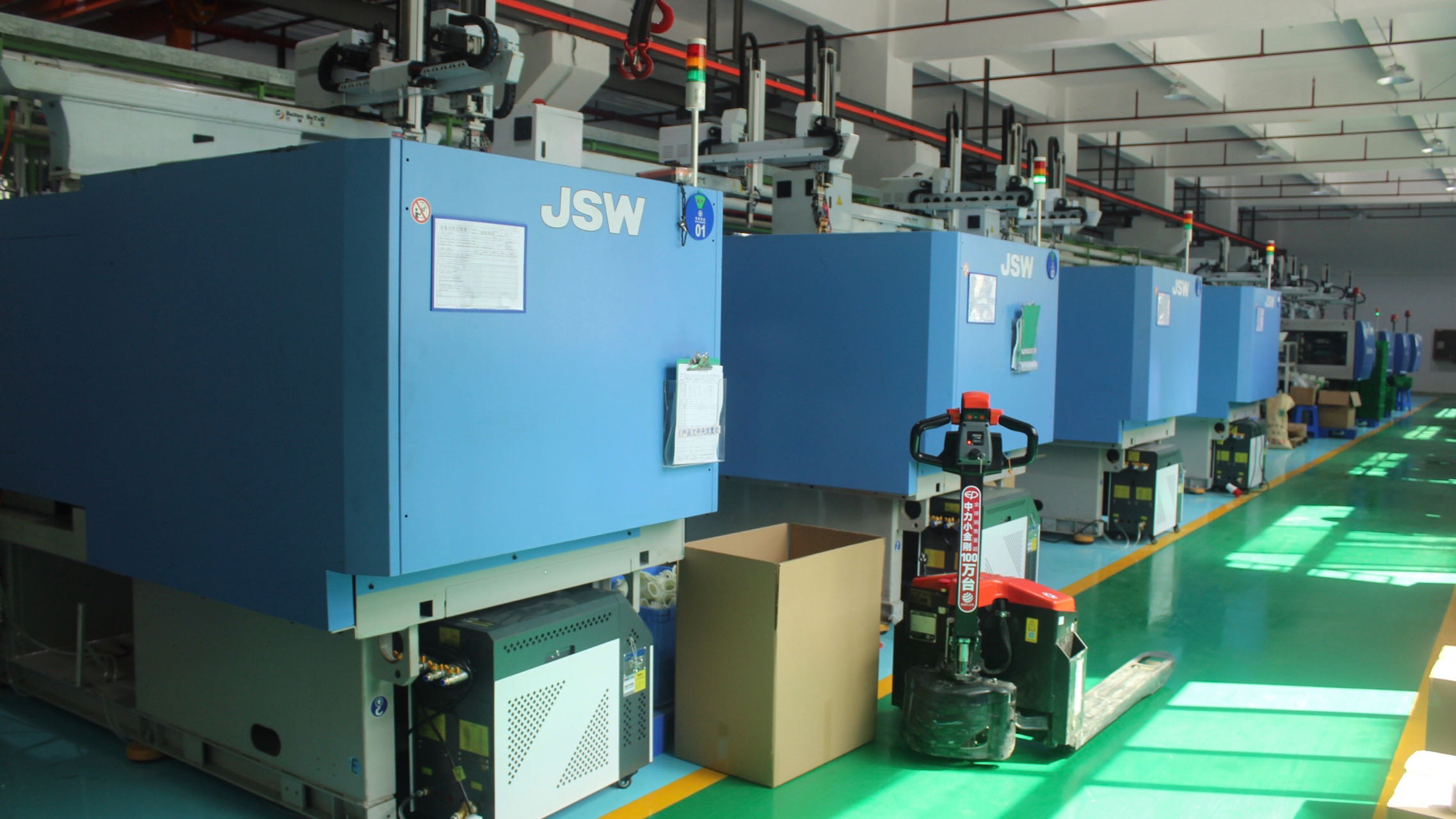
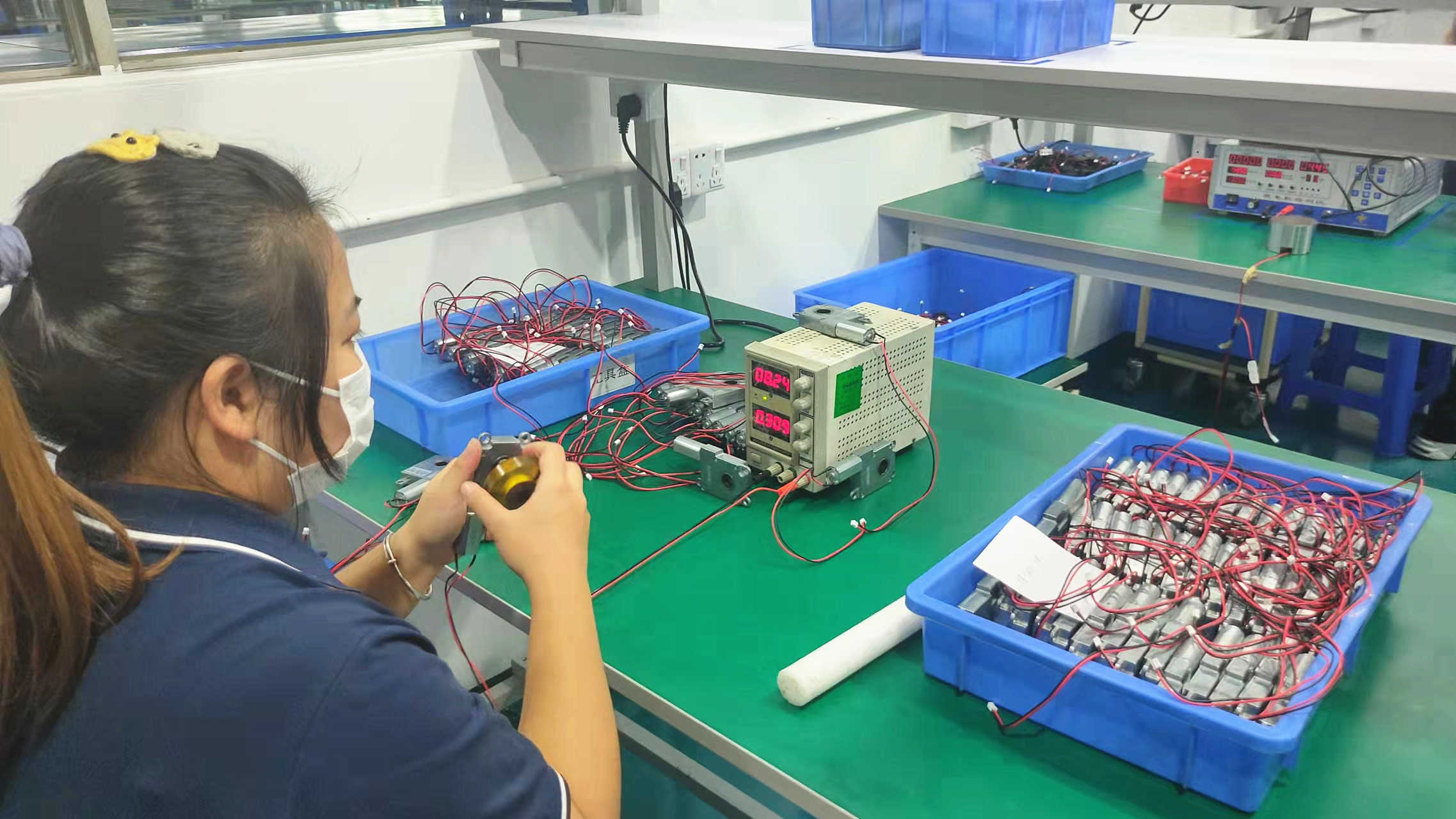
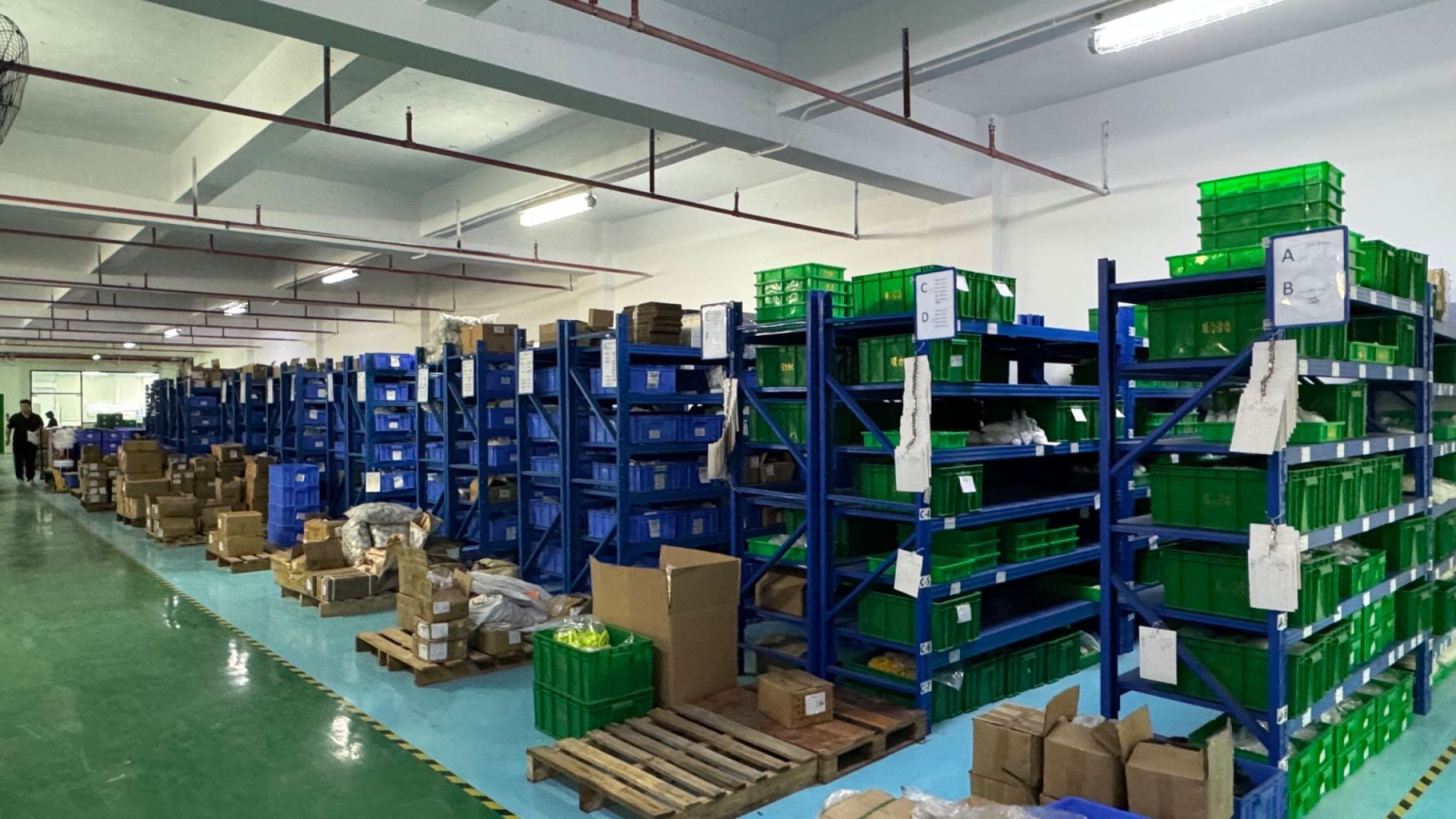
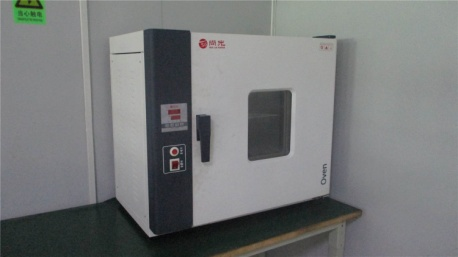
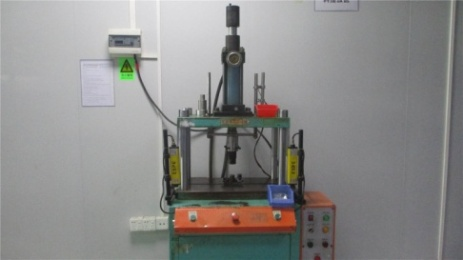
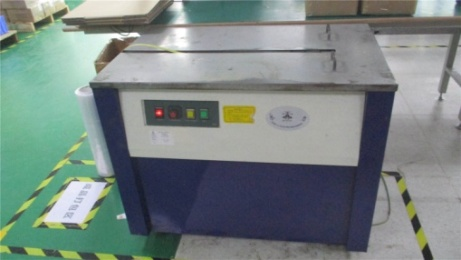
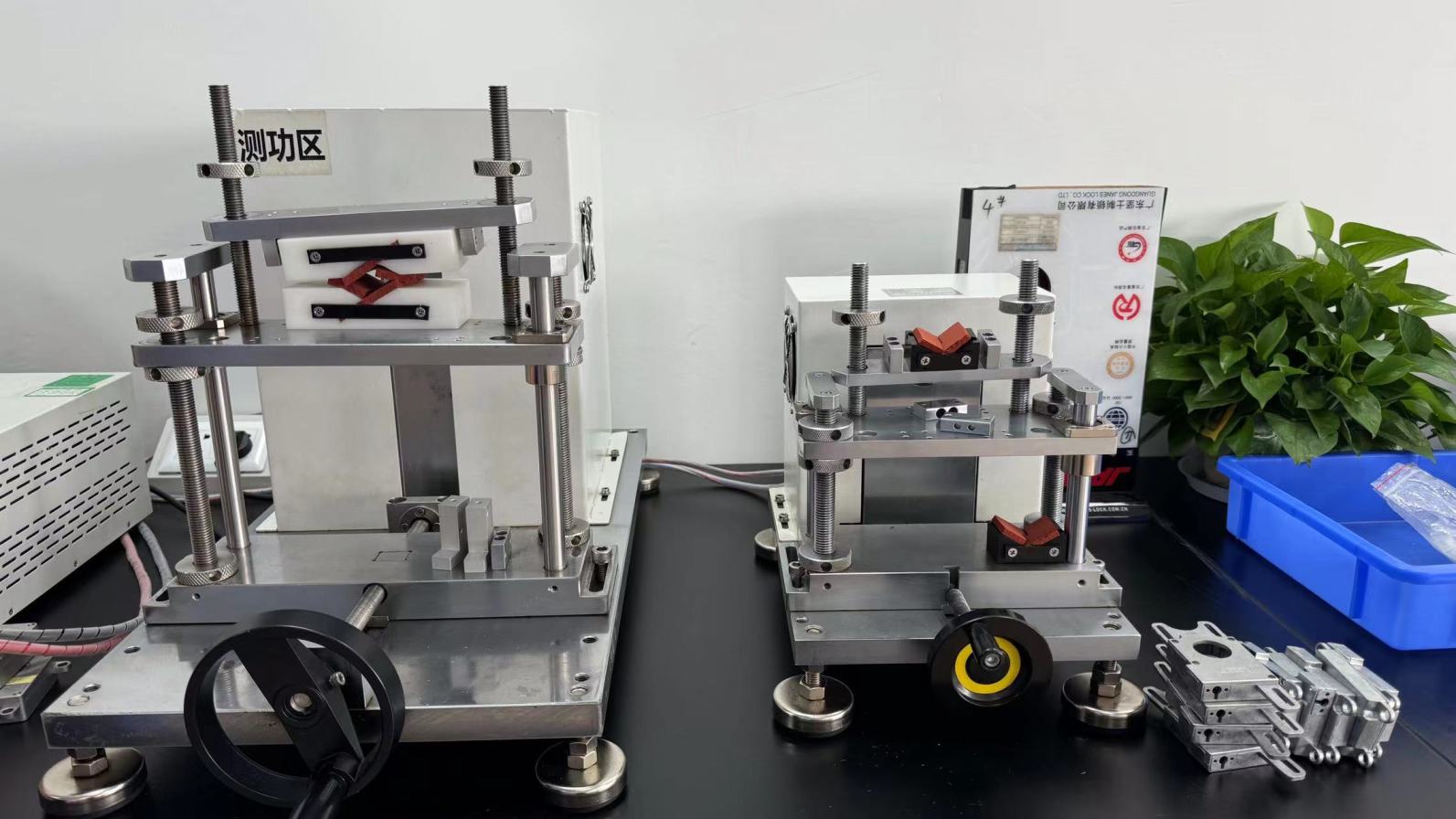
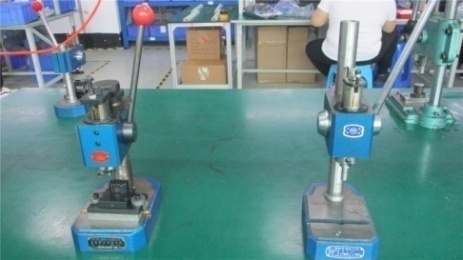
Interactive Gallery: End-to-End Production & Inspection Facility
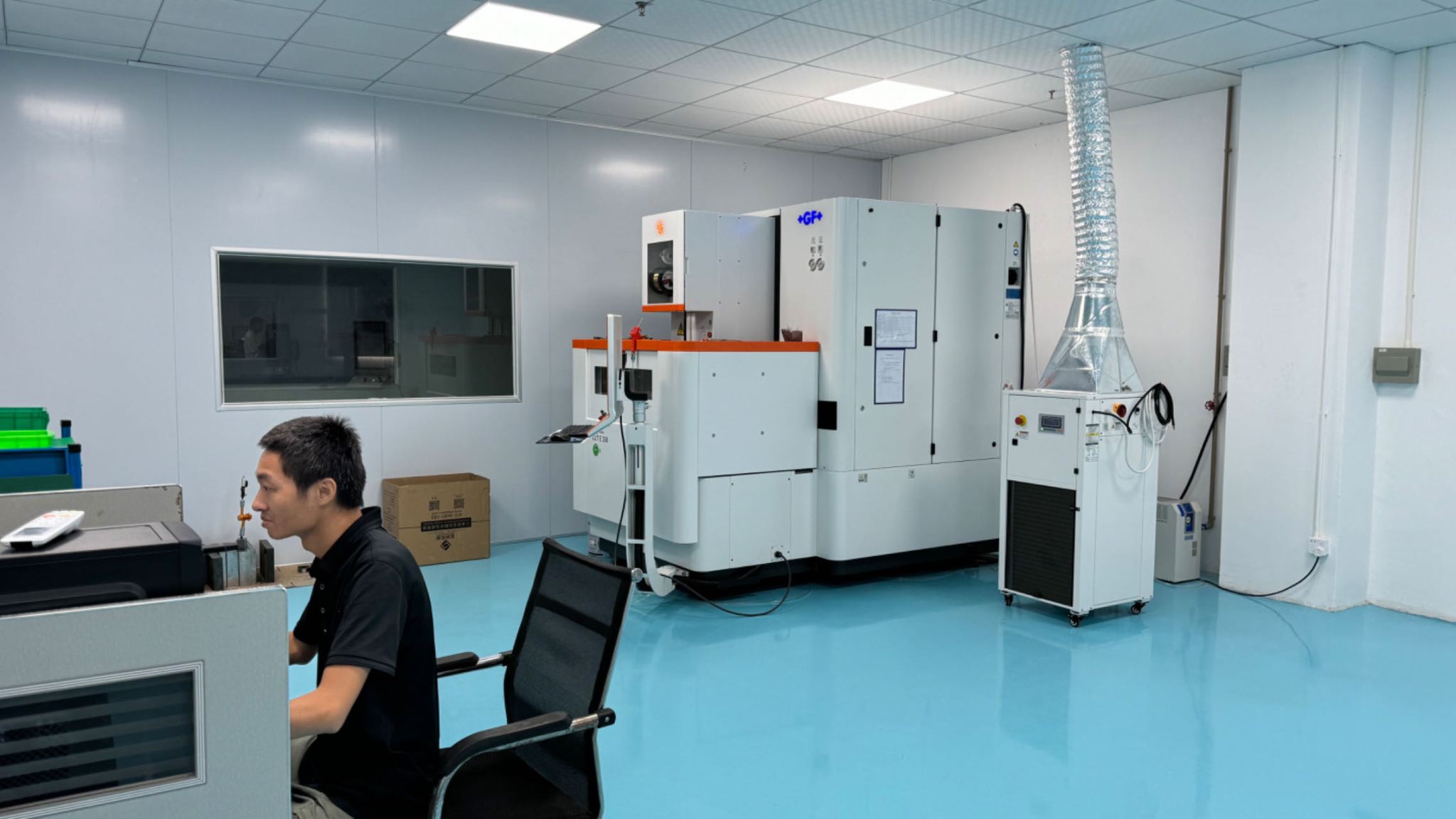
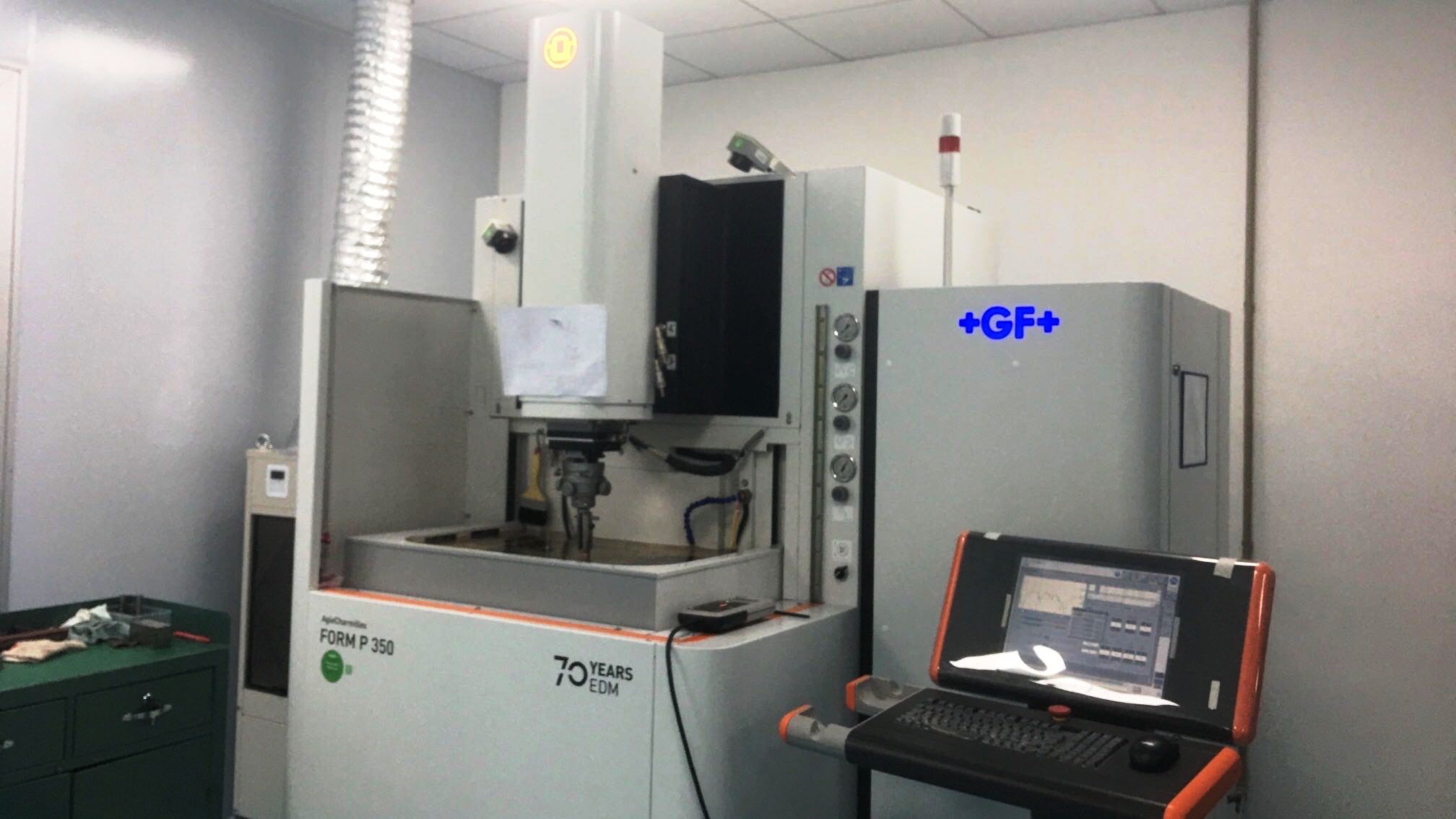
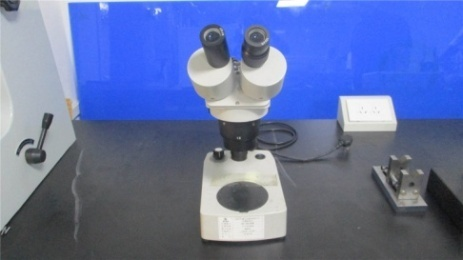
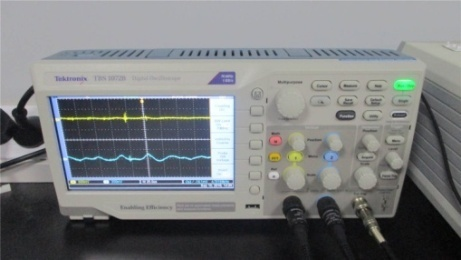
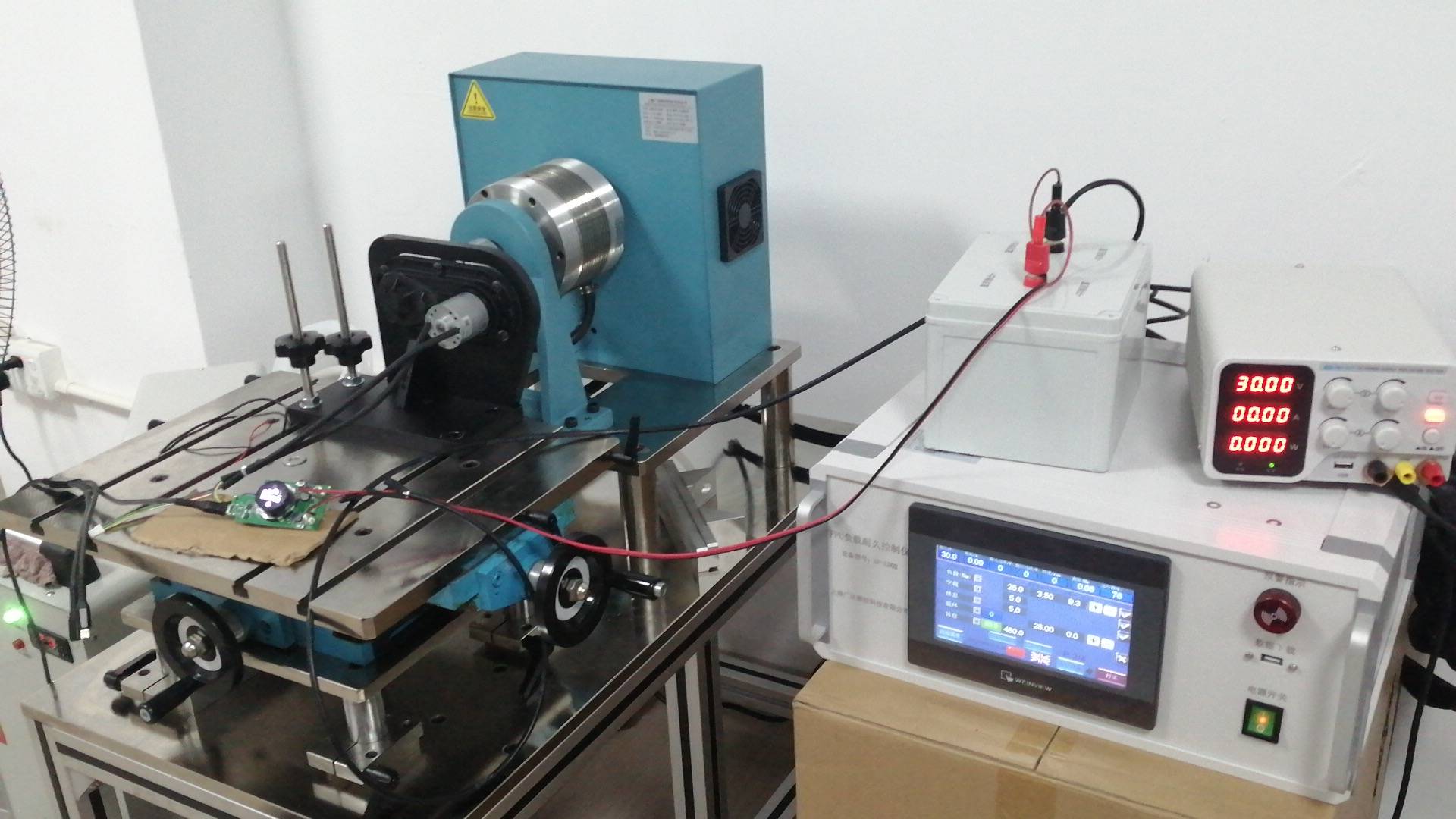
A transparent look inside our manufacturing workflow, showcasing our testing equipment, machinery, and material handling systems.

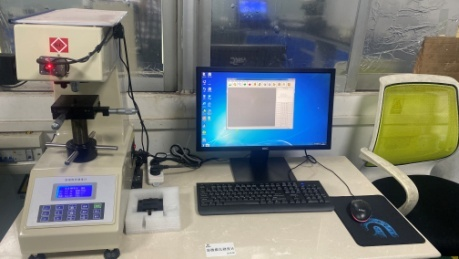
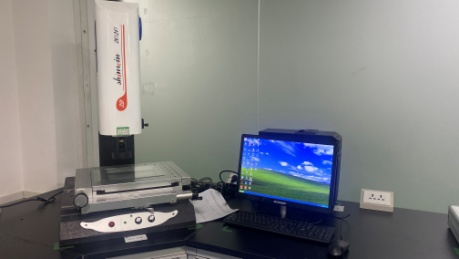
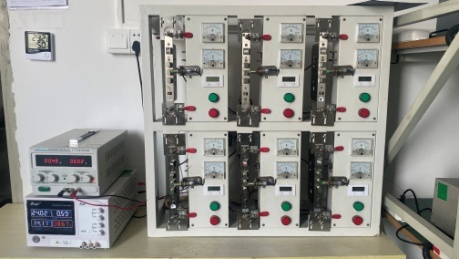
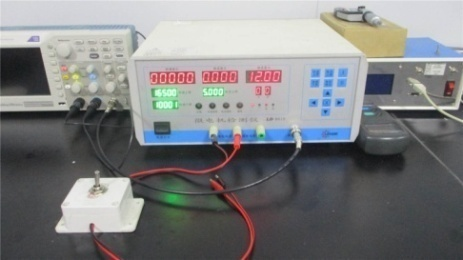
Uncompromising Quality Assurance Infrastructure
A detailed breakdown of our proprietary verification hardware, ensuring every vibration-resistant micro-drive complies with target specifications.
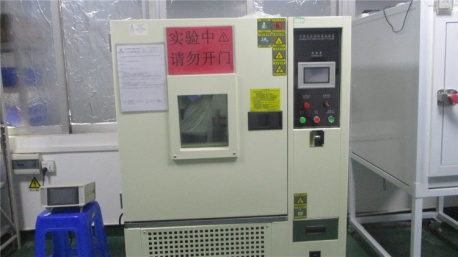
Constant Temp & Humidity Testing
Our environmental chambers expose motor hardware to cyclic temperature changes (-50°C to 150°C) and variable humidity to verify internal sealing integrity and prevent condensation fatigue.
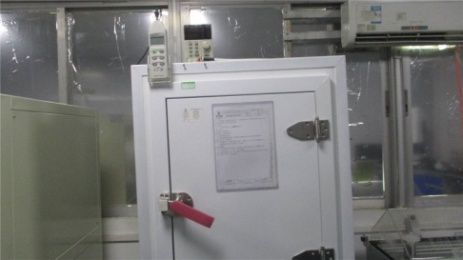
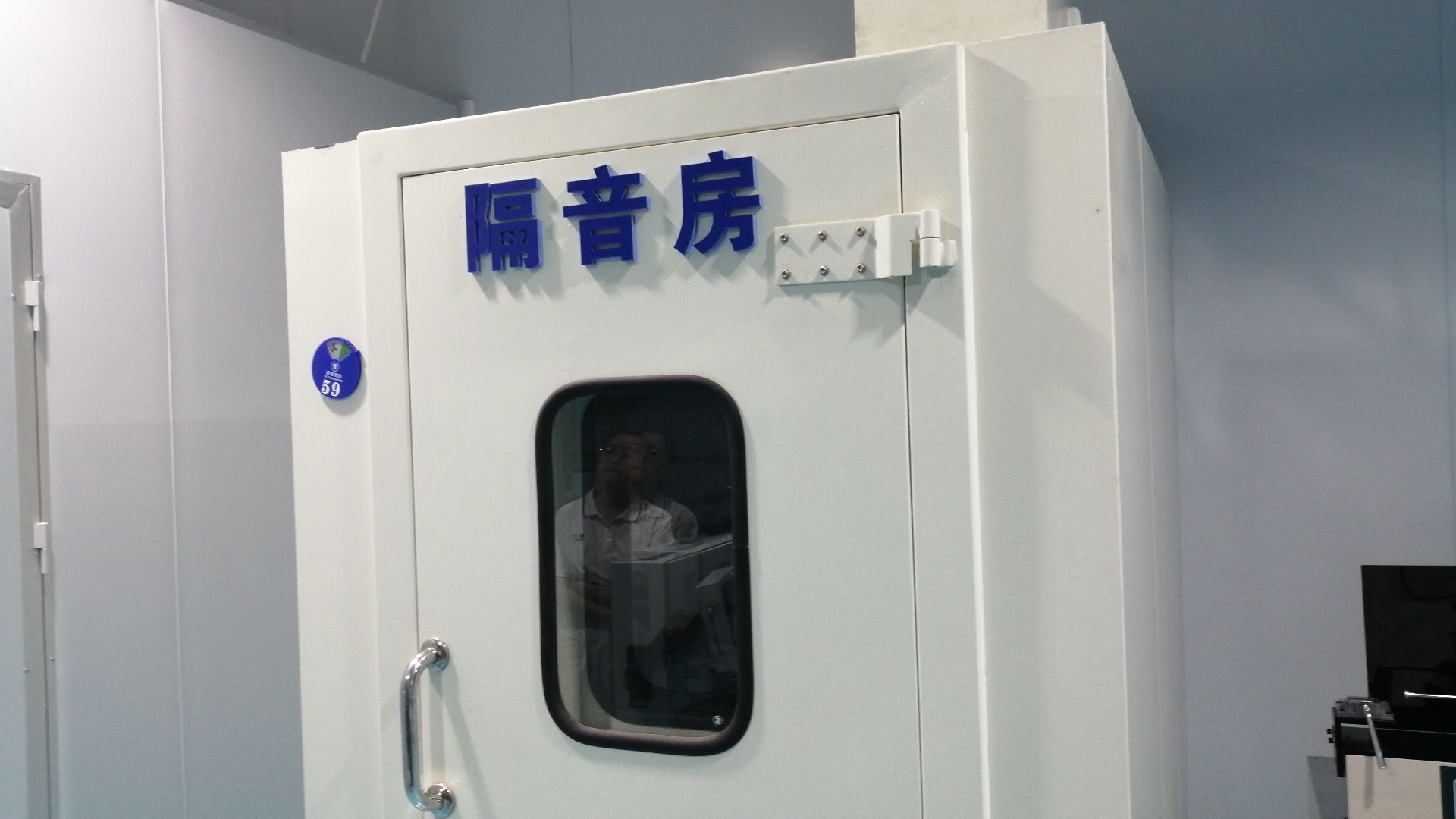
Anechoic Noise Testing
Operating inside custom soundproof rooms, we measure dB output down to ambient thresholds. This guarantees low mechanical noise, crucial for smart locks and medical devices.
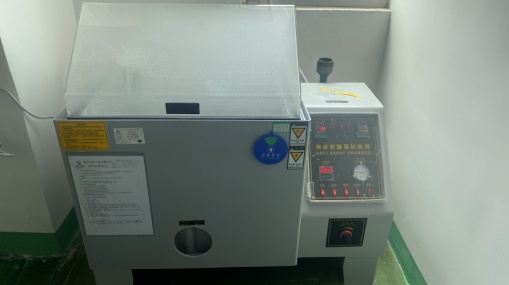
Salt Spray Corrosion Cabinets
We test motor casings, plating, and output shafts against accelerated oxidation. This ensures durability in coastal installations or marine applications.
Global B2B Procurement and Sourcing Strategy
Expert insights on streamlining the specifications engineering process for custom electric motors.
1. Define Mechanical Loading & Speed Constraints
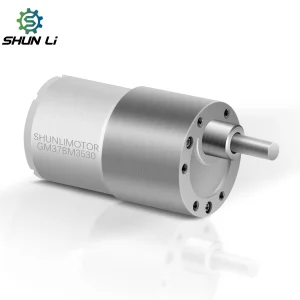
When selecting a high-torque DC gear motor, calculate both steady-state operating torque and transient starting torque. Gear motor gearboxes (including planetary and worm gears) must handle high torque without shearing teeth under shock load.
2. Determine Environmental Ingress Protection (IP Rating)
Industrial applications with oil mist, water spray, or heavy dust require sealed motors (IP65, IP67). We use specialized gaskets and custom sealants to secure the motor housing and output shaft.
3. Choose Custom Shaft Profiles & Gear Materials
Depending on loading requirements, we engineer motor shafts using high-tensile carbon steel or stainless steel, with standard options including D-shape, round, keyed, or threaded ends. Internal gear configurations are available in structural polymers for noise mitigation or hardened steel for maximum durability.
4. Verify Compliance Certification
Ensure that all imported motors carry the CE mark to confirm compliance with critical European directives, including the Machinery Directive (2006/42/EC), Low Voltage Directive (2014/35/EU), and EMC Directive (2014/30/EU).
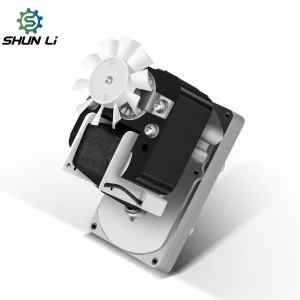
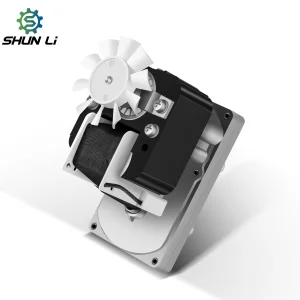
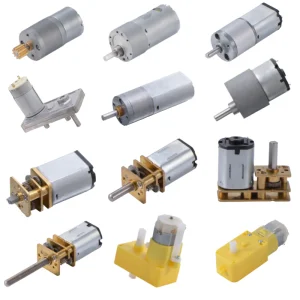
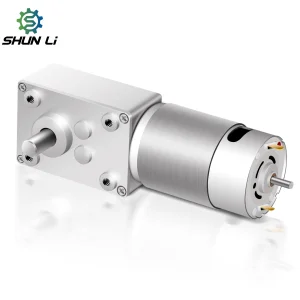
Industrial Actuators & Specialty Gear Motors
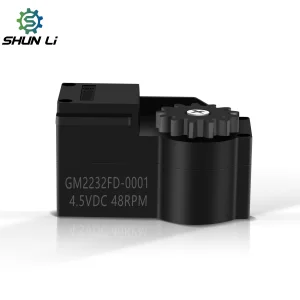
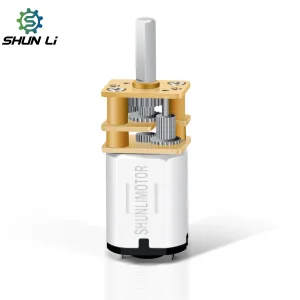
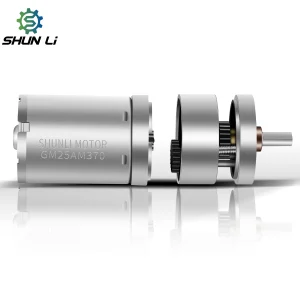
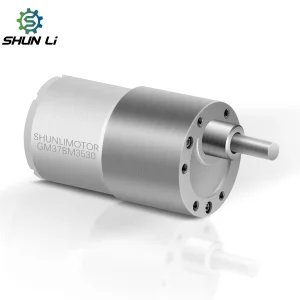
Explore our high-torque gear motors, synchronous systems, and shaded pole drives built for home appliances, smart security, and material handling systems.
Technical Specification & Engineering FAQ
Answering crucial technical questions for engineers and purchasing managers concerning vibration-resistant motor selection.
Vibration resistance is achieved through structural enhancements. These include: dynamically balanced rotors (under G2.5 of the ISO 1940 standard), high-adhesion Class H potting polymers on windings to prevent copper fatigue, double-shielded deep-groove ball bearings, and reinforced mechanical brackets that secure the commutator and motor housing. These design choices prevent internal mechanical play and wear under high external g-forces.
CE Certification ensures the motor complies with all relevant EU health, safety, and environmental regulations. It confirms that the motor is protected against electrical hazards (Low Voltage Directive), operates without producing excessive noise or interference (EMC Directive), and has been designed to operate safely inside automated systems (Machinery Directive). This standard is essential for smooth Customs clearance and liability protection.
We typically deliver fully functional prototypes within 3 to 4 weeks. Because we operate an integrated toolmaker workshop—featuring wire-cut EDM machinery and precise horizontal gear hobbers—our engineering teams can build customized shafts, housing designs, and gear profiles quickly, bypassing typical third-party lead times.
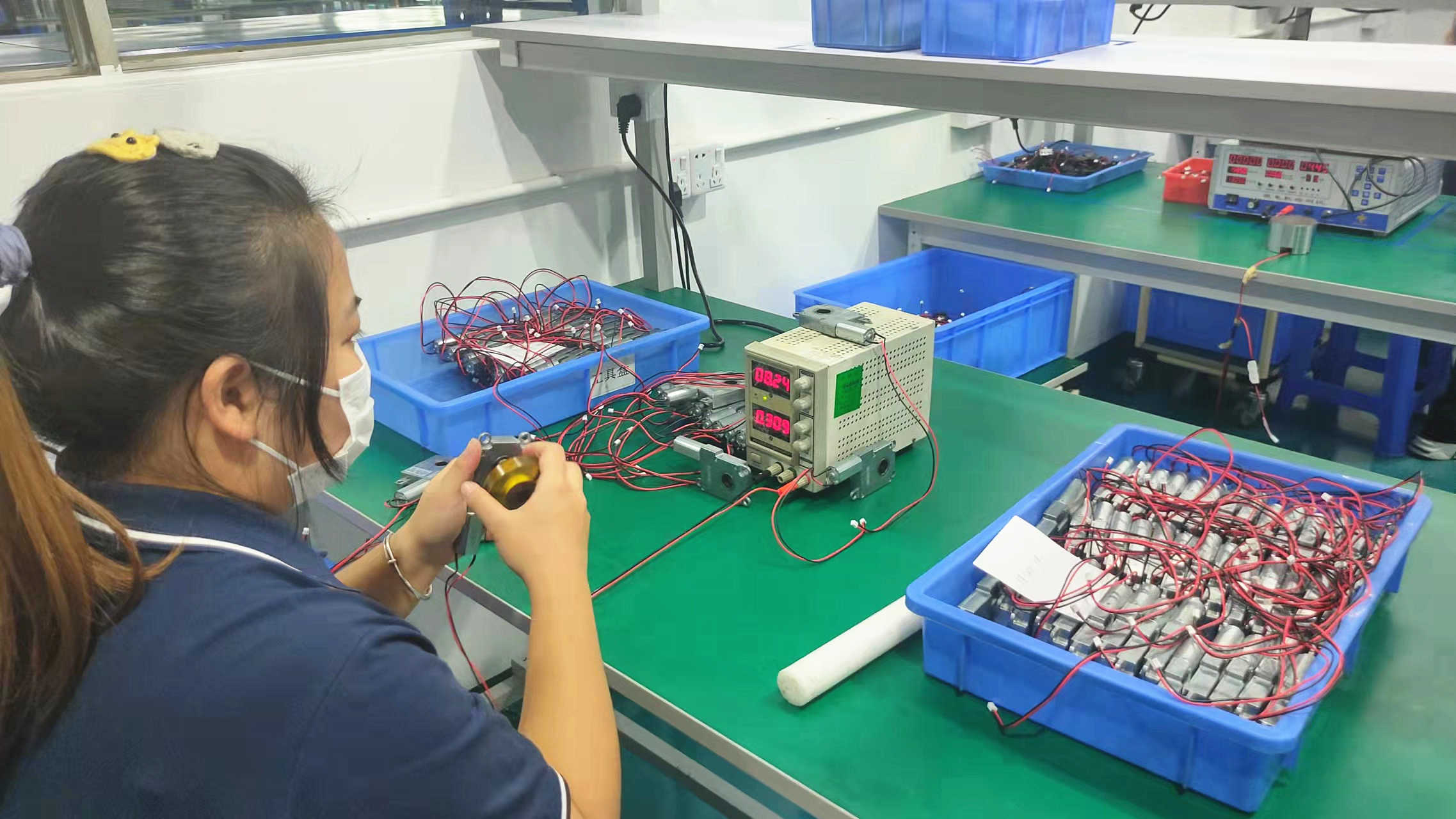
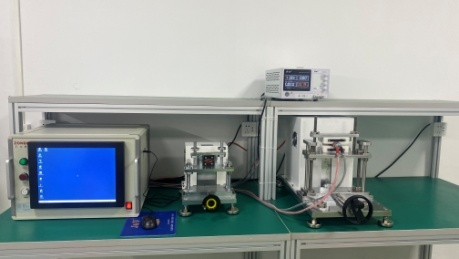
We maintain a rigorous quality assurance protocol. We inspect all incoming raw materials, use computerized winding equipment, run inline automated vision verification, and conduct 100% functional testing at final assembly. We also use specialized testing gear, including dynamometers, environmental chambers, noise chambers, and salt spray setups to verify batch reliability under extreme conditions.
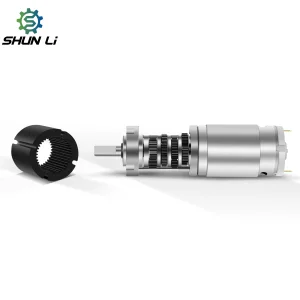
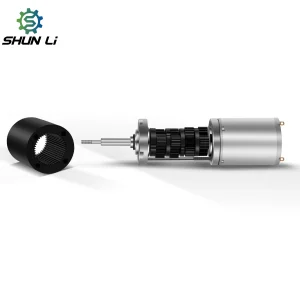
For applications with high torque spikes and directional changes, planetary gearboxes are recommended. They distribute structural load across multiple planet gears, reducing gear stress. For self-locking applications with limited space, a worm gearbox is the preferred option due to its compact form factor and high reduction ratio.
Yes. All electrical parameters—including nominal voltage (ranging from 1.5V DC to 240V AC), rotational speed (RPM), starting torque, and current limit profiles—can be customized to meet your system's requirements. Our engineers adjust rotor winding configurations and magnet composition to hit your performance targets.