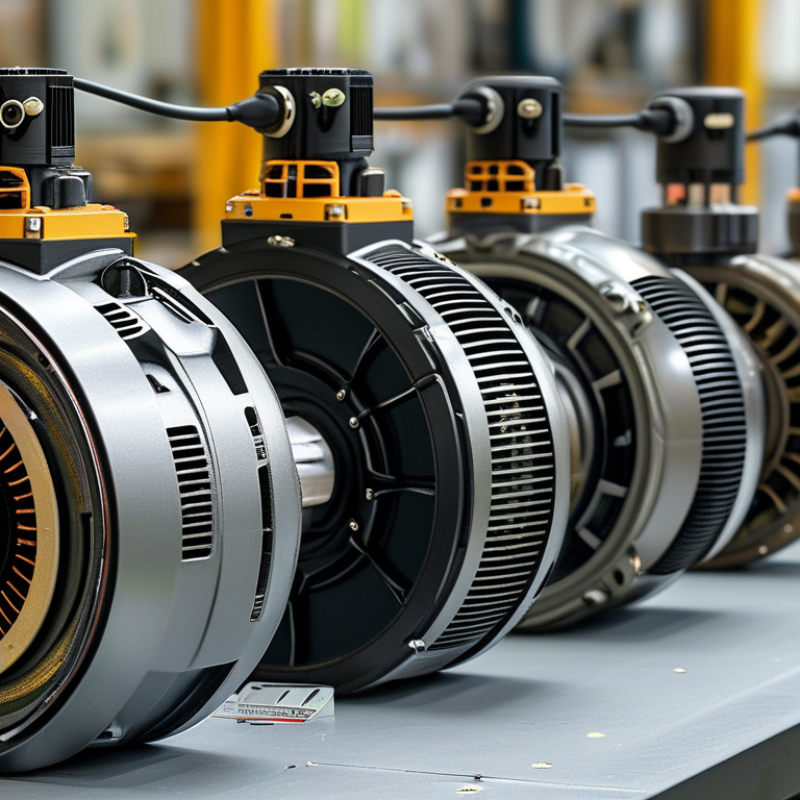
Choosing the right DC Motor is crucial for various applications. As technology evolves, different types of DC Motors emerge, each with unique features. Global buyers face many options. This makes informed decision-making vital.
Understanding the characteristics of each motor type helps buyers select the best fit for their needs. From brushed to brushless systems, each kind has its pros and cons. For example, brushed DC Motors are cost-effective but may require more maintenance. On the other hand, brushless types offer efficiency and longevity.
Furthermore, the landscape of DC Motors is changing rapidly. Buyers must stay updated on innovations. This trend can introduce uncertainties, which require careful consideration. Awareness of these developments is essential for making reliable choices. Ensure that your selection process integrates technical specifications and practical aspects for optimal performance.
Types of DC Motors: An Overview for Global Buyers
When exploring the world of DC motors, understanding the various types is crucial for global buyers. DC motors are widely used in industrial applications, consumer electronics, and more. According to a report by Research and Markets, the DC motor market is expected to reach
$19 billion by 2026, with significant growth driven by automation and robotics.
There are several types of DC motors, including brushed, brushless, and stepper motors.
Brushed DC motors are known for their simplicity and ease of control. They are often used in low to medium power applications.
Brushless motors, on the other hand, offer higher efficiency and require fewer maintenance efforts, making them preferable in many modern applications.
Stepper motors provide precise control over positioning and speed. They are commonly used in 3D printers and CNC machines.
Buyers should consider specific applications to select the right motor type. Factors like torque, speed, and power requirements play a vital role in this decision.
It’s essential to know that even the best motor types may not be suitable for every situation. Conducting thorough research can prevent costly mistakes in the selection process.
Each motor type has its pros and cons, and buyers must weigh these carefully.
Key Features of Popular DC Motor Types
When selecting a DC motor, potential buyers should focus on specific features that define performance and application suitability. Brushless DC motors stand out for their efficiency and longevity. They lack brushes, which reduces wear and increases reliability. This design allows for smoother operation and less maintenance. Ideal for applications requiring precision, these motors can handle varying loads adeptly.
Another popular type is the brushed DC motor, known for its simple design and ease of control. These motors are typically more affordable, making them a common choice in many consumer products. However, they suffer from increased wear over time, which can lead to lower efficiency. It's essential to balance cost and lifespan when considering these motors. They can perform well in low-demand environments but may not be suitable for heavy-duty applications.
For applications requiring high torque and low speeds, geared DC motors are a go-to option. They combine a motor with a gearbox, enabling them to deliver substantial power without needing high speeds. However, their complexity can introduce points of failure. This trade-off means buyers must evaluate their specific needs against potential maintenance challenges. Each motor type has its advantages and drawbacks, emphasizing the need for informed choices in selection.
2026 Top DC Motor Types for Global Buyers to Consider
Applications and Industries Utilizing DC Motors
DC motors play a crucial role across various industries. They are widely used in robotics, automotive applications, and manufacturing processes. According to a recent industry report by Fortune Business Insights, the global DC motor market is projected to reach $22.8 billion by 2027, indicating a compound annual growth rate of 7.5%. This growth reflects the increasing automation and demand for precise control in numerous sectors.
In the automotive sector, DC motors are essential for power windows, electric steering, and windshield wipers. Their reliability and efficiency make them ideal for these applications. In robotics, they provide motion control for arms and wheels, enabling complex maneuvers. A study published by Research and Markets also highlights that the surge in electric vehicle production directly fuels the demand for efficient DC motors.
Manufacturing is another significant area utilizing DC motors. They are employed in conveyor systems, pumps, and assembly lines. Industries must address challenges, such as energy consumption and maintenance costs, associated with DC motor usage. The push for greener technologies is prompting some companies to rethink their existing motor systems. The focus on sustainability may lead to innovation in motor design and performance, which is an essential consideration for future investments.
Factors to Consider When Choosing DC Motors
When selecting DC motors, buyers must consider several key factors that influence performance and applications. Efficiency is crucial, as it directly affects energy consumption and operational costs. High-efficiency motors typically have efficiencies above 85%, making them preferable in industries prioritizing sustainability. According to a 2022 report by the International Electrotechnical Commission, efficient motor designs can reduce energy usage by around 30%.
Another important factor is the torque rating. Motors need to provide adequate torque for specific applications. For robotics, high-starting torque is often essential. Data shows that motors with a torque rating exceeding 1 Nm are frequently used in automated systems. This ensures smooth operation under varying loads. Choosing the right torque can prevent system failures or inefficiencies.
Current ratings of DC motors are significant as well. A motor rated at 2 Amps can handle typical household applications. However, heavy machinery may require ratings dramatically higher. Buyers must match motor specifications to their application needs. Inadequate ratings can lead to overheating or reduced lifespan. Assessing these factors ensures a reliable and effective motor selection.
Future Trends in DC Motor Technology and Market Demand
The DC motor market is evolving rapidly, driven by advancements in technology and increasing demand. According to a recent report by the International Energy Agency, the global DC motor market is expected to reach $79 billion by 2026. This growth is influenced by the rise in automation across various sectors, including manufacturing and automotive.
Future trends include a shift towards energy-efficient designs. Research shows that over 60% of buyers now prioritize efficiency when selecting DC motors. This trend aligns with global sustainability goals. Additionally, the integration of IoT technology in DC motors is gaining traction. Smart motors can collect and transmit data about their performance, enabling predictive maintenance and optimizing energy consumption.
Despite these promising developments, there are challenges. The high initial costs of advanced DC motors may deter some buyers. Furthermore, the rapid pace of technological change can lead to uncertainty. Buyers must constantly evaluate their needs and remain informed about new products. Adaptation will be key in this dynamic market.
FAQS
: The main types include brushed, brushless, and stepper motors. Each serves different needs.
Brushed DC motors are simple and easy to control. They work well for low to medium power applications.
Brushless motors are more efficient and require less maintenance. This makes them suitable for modern applications.
Stepper motors provide precise control over positioning and speed. They are commonly used in 3D printers and CNC machines.
Buyers should consider factors like torque, speed, and power requirements. Matching these to the application is essential.
Efficiency affects energy consumption and operational costs. Motors with above 85% efficiency are often preferable.
Adequate torque is crucial for specific applications, especially in robotics. Insufficient torque can lead to failures.
An unsuitable current rating can cause overheating or reduce the motor's lifespan. Matching specifications prevents issues.
Yes, research helps avoid costly mistakes. Every motor type has its pros and cons that need careful evaluation.
Yes, even the best motors may not fit every situation. Understanding the specific needs is vital for success.
Conclusion
The article "2026 Top DC Motor Types for Global Buyers to Consider" provides a comprehensive overview of the various types of DC motors available in the market, catering to the needs of global buyers. It highlights key features of popular DC motor types, emphasizing their efficiency, reliability, and versatility. Furthermore, the article explores the diverse applications and industries where DC motors are utilized, ranging from automotive to robotics, showcasing their significance in modern technology.
Additionally, the article outlines important factors to consider when selecting a DC motor, such as torque, speed, and power requirements. It also discusses future trends in DC motor technology, including advancements in energy efficiency and smart motor systems, which are expected to drive market demand in the coming years. This insightful analysis serves as a valuable resource for buyers looking to make informed decisions in the ever-evolving landscape of DC motor solutions.