In the rapidly evolving landscape of manufacturing, the demand for high-quality "Hot Sale Gear Motors" is surging. Industry expert Mark J. Thompson asserts, “The right gear motor can drastically enhance operational efficiency.” As global buyers prepare for 2026, understanding market trends and key products becomes essential.
The selection of gear motors is critical, especially for industries relying on precision and durability. Features such as power ratings and torque specifications will play a crucial role in buyer decisions. Additionally, the ongoing push for energy efficiency influences which models attract consumer attention.
As trends shift, the challenge lies in keeping pace with technology while meeting practical needs. Many manufacturers may overlook emerging features that could maximize performance. Buyers must remain vigilant to avoid potential pitfalls. Ultimately, informed choices in gear motors will shape operational success for years to come.
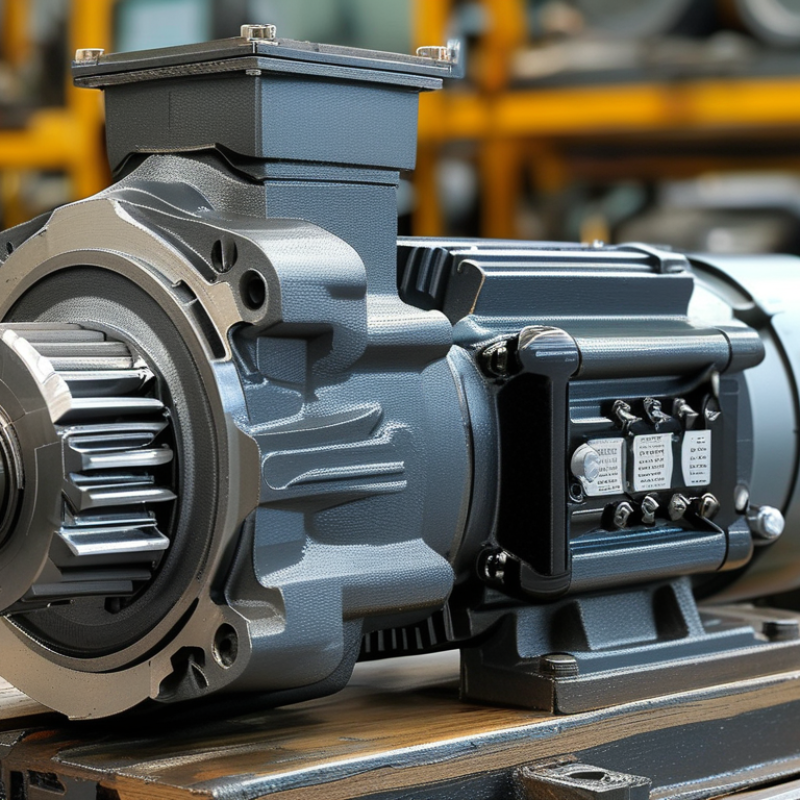
In 2026, the gear motor market is set to evolve significantly. Various industries require efficient gear motors to meet increasing demands. Factors such as compact design and energy efficiency drive the need for innovative solutions. Many buyers seek motors that offer reliability and performance. These attributes are crucial in sectors such as automotive and robotics.
The trend indicates a preference for lightweight materials. Engineers and designers focus on optimizing performance without adding bulk. However, sourcing sustainable materials remains a challenge. Some manufacturers face production limitations when trying to maintain quality while reducing weight. This underscores the need for continuous innovation in material science.
Furthermore, customization is becoming vital. Clients want gear motors tailored to specific applications. Challenges arise when trying to balance cost and customization. This is a point of reflection for developers. Understanding market needs goes beyond basic statistics. Genuine engagement with industry trends will drive future success.
When selecting gear motors, key features play a crucial role. Efficiency is one aspect that shouldn't be overlooked. Look for motors that manage energy well. This can save costs and enhance performance over time. Weight and size also matter, especially when space is limited. Ensure the motor fits your application without compromising its functionality.
Another critical factor is the power output. Understanding your project’s specific requirements ensures the selected motor meets demands. Additionally, consider the durability of the motor. High-quality materials affect the lifespan and reliability. In environments with high wear and tear, robust construction is essential.
Tips: Evaluate noise levels that can affect your working environment. Also, check for warranty options. A longer warranty can indicate a manufacturer's confidence and product reliability. Always seek advice from experts in this field to gain better insights. Remember, an informed choice can lead to greater satisfaction and fewer issues in the long run.
| Model | Rated Power (kW) | Voltage (V) | Torque (Nm) | Efficiency (%) | Gear Ratio | Weight (kg) |
|---|---|---|---|---|---|---|
| Model A | 0.75 | 220 | 5.0 | 85 | 20:1 | 18 |
| Model B | 1.5 | 230 | 8.0 | 90 | 30:1 | 25 |
| Model C | 2.2 | 240 | 12.5 | 88 | 40:1 | 32 |
| Model D | 4.0 | 380 | 15.0 | 92 | 50:1 | 40 |
| Model E | 5.5 | 400 | 20.0 | 90 | 60:1 | 50 |
In 2026, gear motors are expected to see significant sales growth. Several market trends will drive this shift. A report by ResearchAndMarkets predicts a compound annual growth rate (CAGR) of 6.5% from 2026 onwards. Automation in industries like manufacturing and robotics contributes heavily to this rise. Businesses increasingly seek reliable gear motors to enhance productivity and efficiency.
While the demand grows, challenges remain. Supply chain disruptions still affect gear motor availability. These interruptions can delay production schedules, leading to inefficiencies. Additionally, the shift toward greener technologies creates pressure on manufacturers. Adapting traditional gear motors to meet sustainability standards can be complex.
The growing push for smart manufacturing is also significant. A report by MarketsandMarkets shows that smart factory solutions will influence gear motor design. Industries are adopting IoT and AI technologies to optimize operations. This trend calls for innovative gear motor solutions tailored to modern needs. The evolving landscape will require constant adaptation and improvement from manufacturers.
In the competitive landscape of gear motors, understanding brand performance is essential for global buyers. Gear motors hold significant market value, projected to reach approximately $35 billion by 2026, with a CAGR of about 7.2%. This growth stems from diverse applications across industries, including manufacturing, robotics, and automotive sectors.
Leading brands are often evaluated based on efficiency, durability, and customer feedback. A recent industry report highlighted the importance of energy efficiency, with top manufacturers achieving efficiencies over 90%. However, not all brands perform equally; some struggle with component quality, leading to higher failure rates in demanding environments. The variance in performance can influence long-term operational costs, thus attracting attention from procurement departments.
Reliability remains a critical factor. Reports indicate that 20% of all gear motor failures result from inadequate maintenance and substandard components. This reality underscores the need for buyers to consider the total cost of ownership. Selecting a reputable brand can minimize downtime and enhance productivity. Buyers should examine these factors closely to make informed decisions in the crowded marketplace.
Consumer preferences are shaping the gear motor market as we move into 2026. Buyers are focusing more on energy efficiency and durability. These factors directly influence purchasing decisions. Many consumers now seek gear motors that reduce energy costs while providing reliable performance. The shift reflects increasing environmental awareness.
Tips: Consider your specific application. Certain gear motors are better suited for certain tasks. Research your needs thoroughly before deciding. Performance and compatibility are key.
As buyers evaluate gear motors, design also becomes vital. A compact, innovative design may appeal more to modern industries. Additionally, customer service and support play a crucial role. Companies that offer strong after-sales support gain more trust. Failing to provide adequate assistance can deter potential customers.
Tips: Look for manufacturers with a good reputation. Check for customer feedback and expert reviews. Quality assurance matters significantly in gear motor selection.
: Efficiency, power output, durability, size, and weight are crucial features to consider.
Energy-efficient motors can save costs and enhance overall performance in the long run.
A compact and innovative design often appeals more to modern industries, impacting buying choices.
Maintaining quality while reducing weight presents significant production limitations.
Customized motors can meet specific application needs but balancing cost and customization can be challenging.
Research specific needs, evaluate performance, and seek expert advice for better insights into the selection process.
Strong after-sales support can increase trust and influence purchasing decisions significantly.
High noise levels may disrupt a working environment, so evaluating them is essential during selection.
Thoroughly researching requirements and compatibility ensures the selected motor meets project demands.
There is a growing demand for sustainable materials, though sourcing them remains challenging for manufacturers.
In 2026, the demand for Hot Sale Gear Motors is expected to escalate, driven by various market trends and technological advancements. This overview highlights the top 10 gear motors anticipated to be in high demand, focusing on essential features such as efficiency, durability, and compatibility with different applications.
Key trends influencing sales include the rising need for automation in industries and an increasing emphasis on energy-efficient solutions. Additionally, consumer preferences play a crucial role in the selection of gear motors, as buyers prioritize reliability and performance over price. Understanding these dynamics is essential for making informed choices in a competitive market.
