In the rapidly evolving landscape of automation, DC Gear Motors play a pivotal role. Experts believe that these devices are essential for various applications, from robotics to electric vehicles. John Smith, a leading authority in the motor industry, once stated, "DC Gear Motors are the backbone of efficient machinery." His insight highlights the significance of these motors.
Global buyers are increasingly seeking reliable DC Gear Motor solutions. The demand stems from their compact size and high torque capabilities. However, navigating through numerous options can be challenging. Buyers must weigh performance against cost-effectiveness. Some manufacturers cut corners, which can lead to poor performance. It's vital to choose a reputable supplier to ensure quality.
The market offers diverse solutions, but not all are created equal. Quality assurance is essential for long-term success. A reliable DC Gear Motor can enhance machine efficiency and reduce downtime. Nonetheless, it is crucial for buyers to stay informed about potential hurdles. Continuous learning is necessary to navigate this complex industry landscape.
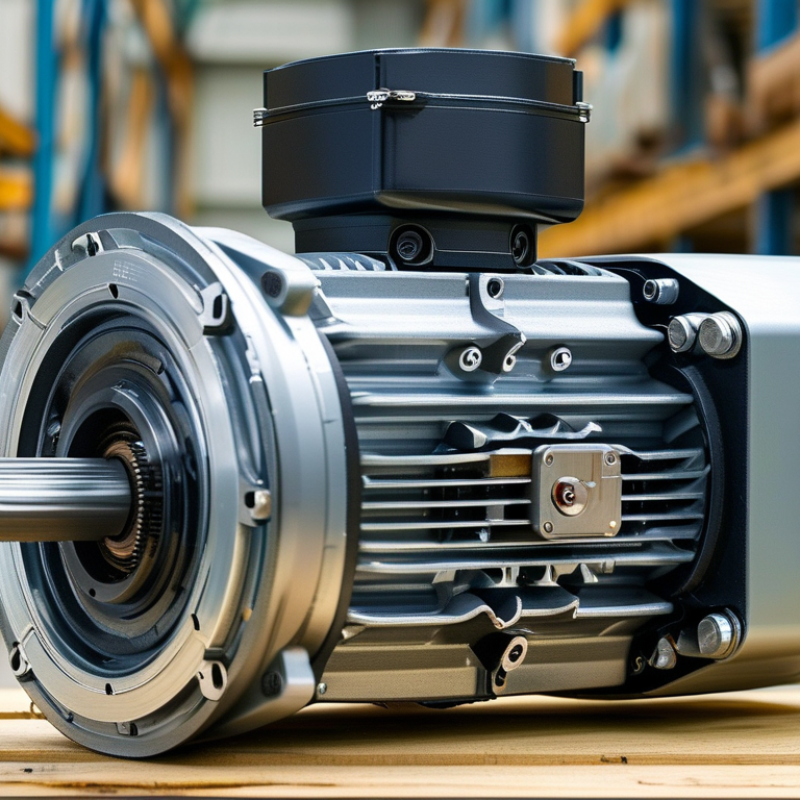
DC gear motors are essential in various applications. They are used in robotics, conveyor systems, and automotive technologies. Understanding their components is crucial for effective usage. A typical DC gear motor consists of a DC motor and a gear reducer. This combination allows for high torque and low-speed output.
The basic operation involves converting electrical energy into mechanical energy. The gear mechanism modifies the motor's speed and torque. Higher gear ratios result in slower speeds but increased power. It's important to assess power requirements before making a selection. This step can prevent inefficiencies or equipment failure.
While DC gear motors are reliable, they have limitations. Overloading can lead to overheating. Also, wear and tear on gears may affect performance. Regular maintenance is key to extending lifespan. Buyers should consider these factors to make informed decisions. The right choice can enhance operational efficiency and reduce downtime.
When choosing DC gear motors, several key factors demand attention. Begin by assessing the motor's torque and speed requirements. Different applications require varied torque levels. It's crucial to match the motor's specifications with your project's demands. For instance, a robotics application may need high torque at low speed.
Another essential factor is the gear ratio. This determines the motor's output speed and torque. A higher gear ratio typically increases torque but reduces speed. Conversely, a lower ratio can provide higher speeds but less torque. Careful calculation of the required gear ratio for your application is necessary.
Lastly, consider the environment in which the motor will operate. Factors such as temperature range, humidity, and potential exposure to dust or chemicals are important. Not all motors can withstand extreme conditions. A mismatch here could lead to failures or suboptimal performance. These reflections are necessary to ensure the selected DC gear motor meets your operational needs.
DC gear motors play a crucial role in various applications, driving innovation and efficiency in industries worldwide. They combine the functionalities of DC motors with gear systems, enhancing torque and reducing speed. This unique combination enables precise control in robotics, automotive, and manufacturing sectors. The demand for reliable DC gear motor solutions is rising as technology advances.
Top manufacturers worldwide focus on quality and innovation. They leverage cutting-edge engineering and production techniques to meet diverse customer needs. A few standout features in these motors include compact design, energy efficiency, and durability. However, some manufacturers struggle with consistent quality control, leading to performance issues. It's vital for buyers to research and assess suppliers thoroughly.
The global market for DC gear motors is competitive. It showcases a blend of traditional expertise and modern technological advancements. Despite advancements, manufacturers must remain vigilant regarding evolving industry standards and customer expectations. Addressing these challenges is essential for sustained growth and reliability in the market.
Businesses are encouraged to build strong relationships with trusted suppliers to ensure they receive the best solutions.
The landscape of DC gear motor solutions is evolving rapidly due to innovative technologies. Companies worldwide seek efficient and reliable motors for various applications. These advancements focus on enhancing performance, reducing energy consumption, and improving durability.
Smart DC gear motors now integrate sensors for real-time feedback. This allows for adaptive control and precise operation. As a result, manufacturers can optimize processes dynamically. However, implementing these technologies can be challenging. Not all applications benefit equally from smart features.
Tips: Consider the motor's application before committing to advanced features. Evaluate whether your operational needs justify the added complexity. Sometimes, simpler solutions yield better reliability.
Another trend is the shift towards sustainable materials in motor construction. This reflects a growing demand for eco-friendly solutions. While this is a positive change, switching materials can affect motor performance. It requires careful consideration of trade-offs.
Tips: Always review technical specifications when selecting materials. Look for certifications that validate sustainability claims. This ensures you invest in a solution that truly meets your needs without compromising efficiency.
This chart illustrates key performance metrics for DC gear motor solutions, providing insights into efficiency, torque, speed, and cost considerations relevant for global buyers in the industry.
The DC gear motor market is evolving rapidly. According to a recent report by MarketsandMarkets, the industry is expected to reach $15 billion by 2027. This growth reflects increasing demand across various sectors. Robotics, automotive, and renewable energy are major drivers.
Buyers are now seeking more efficient and compact solutions. Manufacturers are responding with innovative designs. Higher torque in smaller packages is a key trend. The integration of smart technology is also gaining traction. This facilitates better energy management and remote control.
However, challenges remain. Sustainability concerns are influencing purchasing decisions. Companies must now address the environmental impact of their products. Furthermore, price volatility in raw materials affects the supply chain. Buyers are increasingly seeking reliable partners who offer transparency and ethical sourcing.
| Parameter | Value | Application | Market Trend |
|---|---|---|---|
| Voltage Range | 6V - 48V | Robotics, Automotive | Growth in Automation |
| Torque Rating | 0.5Nm - 20Nm | Industrial Machinery | Increasing Demand for Energy Efficiency |
| Speed Range | 30 - 3000 RPM | Consumer Products, E-mobility | Shift Towards Electric Vehicles |
| Control Type | PWM, Gearbox | Home Automation, HVAC | Smart Home Integration |
| Weight | 0.5kg - 5kg | Medical Devices, Drones | Miniaturization Trends |
: Assess the torque and speed requirements for your specific application.
The gear ratio affects output speed and torque. Higher ratios mean more torque but less speed.
Consider temperature, humidity, and exposure to dust or chemicals. Mismatches can lead to failures.
Yes, the market is shifting towards more efficient and compact solutions with innovative designs.
The integration of smart technology is improving energy management and enabling remote control.
Yes, buyers are more focused on the environmental impact of products in their purchasing decisions.
Price volatility in raw materials and the need for reliable, ethical sourcing are significant challenges.
Demand is expected to grow across various sectors, including robotics and renewable energy.
Manufacturing higher torque in smaller packages and addressing environmental concerns is vital.
Each application has unique demands; incorrect choices lead to suboptimal performance or failures.
DC Gear Motors are essential components in various applications, providing efficient torque and speed control. Understanding the basics of DC Gear Motors, including their design and operational principles, is crucial for buyers seeking reliable solutions. Key factors to consider when selecting a DC Gear Motor include load requirements, speed and torque specifications, as well as environmental factors that may impact performance.
As the market evolves, innovative technologies are enhancing the capabilities of DC Gear Motors, such as improved materials for better durability and energy efficiency. Future trends suggest a growing demand for smart and automated motor solutions, with insights indicating that global buyers will prioritize customization and integration with digital technologies. By keeping these trends in mind, stakeholders can make informed decisions that align with their operational needs and technological advancements in the field.
