Why Choose the Right Motor For Lock Systems?

Time:2026-08-13 Author:Oliver
0%

Choosing the right motor for lock systems is crucial. A well-suited motor ensures security and functionality. Many overlook this vital component, leading to potential failures.

Lock systems rely heavily on their motors. Whether for home security or commercial use, these motors impact performance. A quality motor for lock contributes to durability and reliability. Users often encounter issues when they select low-quality alternatives. These choices can result in malfunction or compromised safety.

In the search for a suitable motor for lock, consider efficiency and compatibility. Researching options will yield better decisions. Relying on expert advice and trusted brands enhances the selection process. A thoughtful approach to choosing a motor reduces risks. Remember, investing time in this choice safeguards your premises.
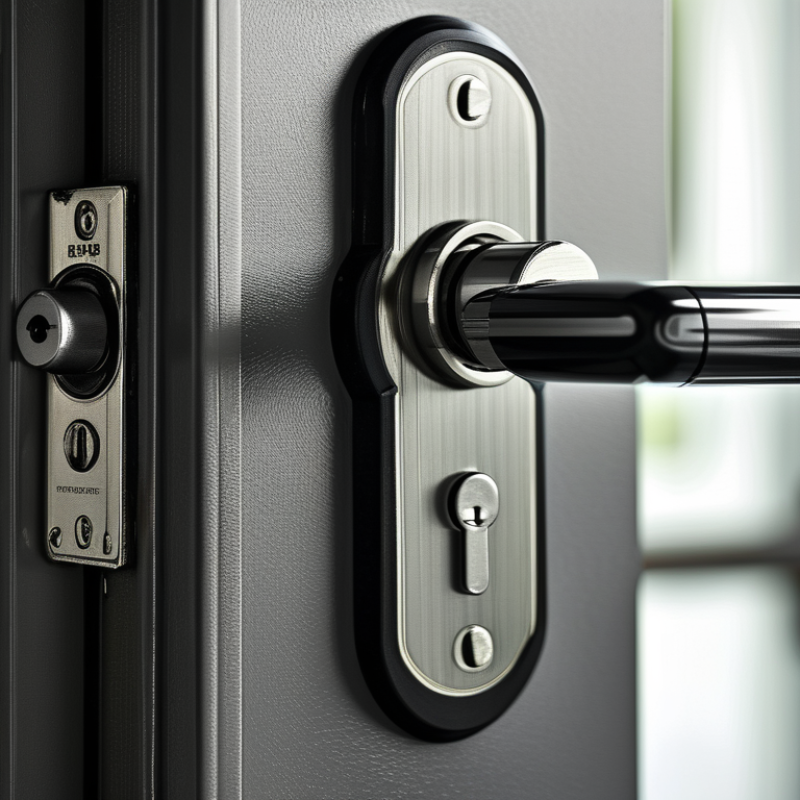
Why Choose the Right Motor For Lock Systems?

Understanding the Importance of Motors in Lock Systems

Choosing the right motor for lock systems is crucial. Motors are the beating heart of these systems, ensuring security and functionality. According to industry reports, over 75% of lock failures stem from motor malfunctions. Understanding motor specifications can significantly enhance reliability and performance.

When selecting motors, consider various factors such as torque, speed, and power consumption. High-torque motors can manage heavier locks, while efficient power use can reduce operational costs. Data indicates that motors with energy efficiency ratings save up to 30% on electricity. Additionally, sometimes it’s smarter to invest in slightly higher quality. Lower-cost motors might seem attractive, but they often have shorter lifespans.

**Tips:** Choose motors with robust build quality for longevity. Regular maintenance checks can prevent unexpected failures. Always match motor specifications to your security requirements for optimal performance.

Why Choose the Right Motor For Lock Systems? - Understanding the Importance of Motors in Lock Systems

Motor Type Torque (Nm) Speed (RPM) Power (W) Efficiency (%) Common Applications
DC Motor 2.5 3000 45 85 Electronic locks
Servo Motor 5.0 1500 75 90 Automated gates
Stepper Motor 3.5 2000 30 80 Access control systems
AC Motor 4.0 1800 60 75 Heavy-duty locks

Types of Motors Used in Lock Mechanisms

When it comes to lock mechanisms, selecting the right motor is crucial. Various types of motors are employed in locks. The most common are DC motors, stepper motors, and solenoid motors. Each type has unique advantages that cater to different locking requirements.

DC motors provide smooth operation and are easy to control. They are often used in electronic locks. Stepper motors, known for precise movement, work well in applications that require accuracy. Meanwhile, solenoid motors offer rapid locking and unlocking, making them suitable for quick access systems. Each motor type has its own set of limitations. For example, solenoids can overheat with continuous use, and stepper motors may stall without proper power management.

Tips: Consider the specific application before choosing a motor. Evaluate the required speed and torque. Often, users overlook how motor choice impacts energy efficiency. Testing motors in real-world scenarios can uncover performance issues. Always prioritize motors that are certified for safety and reliability to ensure long-term operation.

Key Considerations for Selecting a Motor

Selecting the right motor for locking systems is crucial. The motor's performance directly impacts safety and efficiency. Key considerations revolve around torque, speed, and power consumption. According to a recent industry report, over 70% of lock system failures are attributed to inadequate motor specifications.

Torque is vital for ensuring the lock engages firmly. High-torque motors provide better resistance against forced entry. But high torque can lead to higher energy consumption. Balancing these aspects is essential. Speed is another critical factor; it affects how quickly a lock can be engaged or disengaged. A motor that operates too slowly could compromise security.

Reliability is non-negotiable. Many users overlook maintenance needs, which can lead to unexpected failures. Regular checks can prevent system downtimes. In fact, a study showed that 40% of businesses experienced security breaches tied to malfunctioning locking mechanisms. Understanding the trade-offs in motor selection is key to enhancing security while managing costs effectively.

Impact of Motor Performance on Security Features

Choosing the right motor for lock systems directly influences their performance and, ultimately, security. A motor's strength and speed play crucial roles in its ability to resist forced entries. When a motor struggles to generate adequate torque, vulnerabilities arise. For instance, a slower response time may allow intruders additional opportunities to breach security. This reflects the importance of selecting a motor that meets specific security needs.

Performance consistency also matters. Motors that overheat or fail during operation can create severe security gaps. An unreliable motor compromises the entire lock system, rendering it ineffective. Additionally, not all motors are designed for continuous use. Some may be suitable only for lighter applications, presenting risks if misapplied.

Reflecting on motor choice encourages a deeper understanding of safety protocols. Many overlook the significance of these components. Components that seem minor can have major repercussions. Choosing the wrong motor means risking safety. Thus, it's vital to evaluate each aspect of motor specifications to ensure adequate security measures. Each selection should consider long-term durability and functionality, highlighting the complex nature of securing spaces.

Future Trends in Motor Technology for Lock Systems

Lock systems are crucial for security and convenience. The choice of motor technology is evolving rapidly. Recent reports from the International Federation of Robotics (IFR) indicate a steady rise in demand for smart locking mechanisms. By 2025, it is projected that the global smart lock market will reach $1.4 billion.

One emerging trend is the integration of IoT technology in motors. This connectivity allows for remote locking and unlocking. Sensors will provide real-time feedback on lock status. However, this also raises concerns about cybersecurity. A report by Cybersecurity Ventures suggests that cyber-crime costs could exceed $10.5 trillion annually by 2025. The industry must address these vulnerabilities.

Another significant trend is the shift toward sustainable materials and energy-efficient motors. Research by the Industry Research Group indicates a 20% growth in demand for eco-friendly locking solutions. Consumers are becoming more eco-conscious. They favor products that minimize environmental impact. Yet, transitioning to greener technologies may pose challenges in performance reliability. Balancing sustainability with security is essential but complex.

FAQS

: Why are motors important in lock systems?

: Motors are essential as they provide security and functionality. They affect how well locks operate.

What causes most lock failures?

Over 75% of lock failures result from motor malfunctions. Ensuring motor reliability is critical for security.

What factors should be considered when selecting a motor?

Consider torque, speed, and power consumption. These factors impact the motor's efficiency and strength.

What are common types of motors used in locks?

Common types include DC motors, stepper motors, and solenoid motors, each serving different needs.

What is a drawback of using solenoid motors?

Solenoid motors can overheat with continuous use, indicating a need for careful application management.

Why is torque important in a motor?

Torque ensures the lock engages securely. High torque can resist forced entry, enhancing safety.

How can maintenance affect motor performance?

Regular maintenance can prevent unexpected failures. Many users neglect this and face system downtimes.

What is the risk of choosing lower-cost motors?

Lower-cost motors may have shorter lifespans and can lead to increased replacement and maintenance costs.

How do speed and torque impact motor selection?

Balance between speed and torque is essential; too slow can compromise security, while high torque can increase energy use.

What should be prioritized when choosing a motor?

Prioritize motors certified for safety and reliability. Testing in real-world scenarios helps reveal potential issues.

Conclusion

Choosing the right motor for lock systems is crucial for ensuring security and reliability. Motors play a vital role in the functioning of lock mechanisms, influencing not only their performance but also the overall safety features. Understanding the various types of motors, such as DC, stepper, and solenoid motors, helps in selecting the most suitable option for specific locking applications.

When selecting a motor for lock systems, it’s essential to consider factors such as torque, speed, durability, and compatibility with the locking mechanism. The performance of the motor directly impacts the effectiveness of the lock, raising or lowering the level of security provided. Additionally, trends indicate that advancements in motor technology are shaping the future of lock systems, leading towards more efficient, smart, and secure locking solutions. Thus, making an informed choice about the motor for lock is imperative for optimal performance and security.

Oliver

Oliver

Oliver is a seasoned marketing professional with a wealth of expertise in driving brand awareness and engagement. With a deep understanding of our company's product offerings, he consistently delivers high-quality content that enriches our professional blog. His insights not only shed light on......