How to Choose the Right Planetary Gear Motor for Your Application?

Time:2026-07-13 Author:Oliver
0%

Choosing the right planetary gear motor for your application is crucial. The global market for these motors is projected to reach $5.65 billion by 2026, according to recent industry reports. This growth stems from their high efficiency and compact design, making them ideal for various applications.

Planetary gear motors offer enhanced torque and precision. Their unique design allows for smooth operation, minimizing backlash. In industries like robotics and automation, a reliable motor is essential. However, with so many options, selecting the right one can be overwhelming.

Many factors influence your choice. Gear ratios, load capacity, and efficiency are just a few. Some users may overlook compatibility with existing systems. This can lead to performance issues down the line. Engaging with experts in the field can provide valuable insights. Reflecting on application-specific requirements is key to making an informed decision on a planetary gear motor.
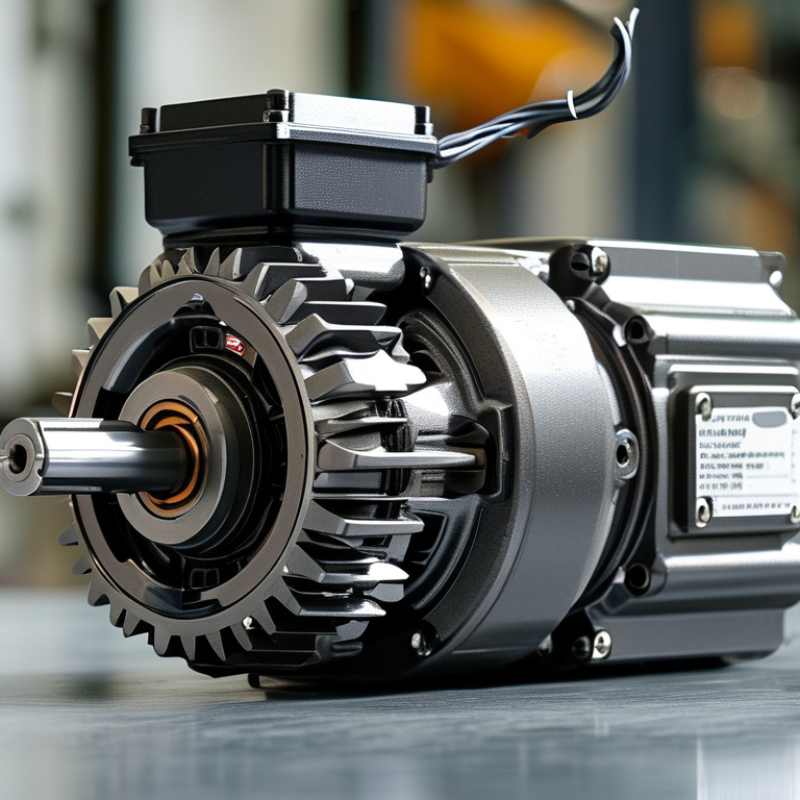
How to Choose the Right Planetary Gear Motor for Your Application?

Key Considerations for Selecting a Planetary Gear Motor

When selecting a planetary gear motor, several key factors should guide your choice. The motor's torque and speed requirements are essential considerations. You must evaluate the application’s load demands. It’s crucial to match the motor specifications to your equipment needs. Too much torque can lead to overheating, while too little may not provide adequate performance.

Efficiency and size also play significant roles. A compact motor can save space, but ensure it meets the application’s power requirements. Always assess the mounting options available. Consider the design of your machinery. A poorly matched motor can cause alignment issues, leading to early wear or failure.

Tips:
Look for documentation on the motor's efficiency ratings. This information can help you gauge performance under varying conditions. Regularly review past project outcomes. Reflecting on what worked or didn't can inform future selections, enhancing your decision-making process.

Don’t overlook environmental factors. Temperature, humidity, and dust can impact motor performance. Ensure the motor is rated for the conditions it will face. Choosing the right motor is often a complex task, requiring a careful balance of all these considerations to avoid costly mistakes.

Understanding Motor Specifications and Ratings

Choosing the right planetary gear motor requires understanding its specifications and ratings. Key factors include torque, speed, and efficiency. Torque indicates the motor's ability to perform tasks. For example, a motor with high torque can handle heavier loads, while a motor with low torque is best for lighter applications. According to industry reports, motors with a torque rating of 20 Nm or more are commonly used in automation.

Speed ratings show how fast a motor operates. It's essential to match the motor's speed to your application's requirements. A mismatch can lead to inefficiency and potential damage. Standard speed ratings range from 10 RPM to 300 RPM. Analyzing your specific needs can prevent costly mistakes.

Tips: Always check the thermal limits of the motor. Overheating can reduce lifespan. Ensure that the gear ratio aligns with your requirements. A high gear ratio improves torque but may slow speed. Consider the noise levels as well; quieter motors are preferred in many settings.

Understanding these specifications will lead to better decision-making. Some discussions around gear motors might overlook the importance of load cycles. Consider how often the motor will run under load. This can dramatically affect your choice, leading to the need for motors with higher durability ratings. Always refer to reliable resources when making decisions for your application.

Assessing Load Requirements and Torque Needs

When selecting a planetary gear motor, understanding load requirements is crucial. Each application imposes different demands. A precise calculation of weight and speed will help establish the ideal torque. For instance, lifting heavy loads requires a motor capable of generating high torque. Remember, underestimating these needs can lead to failures.

Consider the types of loads involved. Are they stationary or dynamic? Different load types can impact the motor's performance. A dynamic load, such as a conveyor belt, requires continuous adjustments. On the other hand, stationary loads might not demand as much torque initially. Knowing the load characteristics can help in pinpointing the correct motor specifications.

Under real-world conditions, torque needs can fluctuate. Many users find themselves facing unexpected performance issues. It's important to factor in variables like friction or acceleration. These elements can subtract from your motor's capacity. Monitoring these aspects regularly helps in maintaining optimal performance. Reflecting on these factors ensures a more reliable choice in your planetary gear motor selection.

Evaluating Efficiency and Performance Factors

When selecting a planetary gear motor, efficiency and performance should be top priorities. These motors are known for their compact design and high torque output. Evaluating their efficiency involves examining gear train design and material quality. High-quality components often lead to better performance, but cost can be a concern.

Another critical factor is the operational environment. For example, a high-temperature application might require motors with specific lubricants. On the other hand, noisy environments can influence motor choice as well. Thorough research about environmental impacts saves future headaches.

One often-overlooked aspect is the gear ratio. A higher gear ratio provides more torque but might compromise speed. Balance is essential. Misjudging this simple factor can lead to inefficiencies and performance issues. Therefore, continuous testing and iterative evaluation are crucial when refining your choice of planetary gear motor.

Compatibility with Your Mechanical System

When selecting a planetary gear motor, compatibility with your mechanical system is critical. A study published by the American Gear Manufacturers Association indicates that mismatched components can reduce efficiency by up to 30%. Understanding your system’s dynamics will help you avoid costly downtimes and improve performance.

Consider the mounting options and alignment precision. Not all gear motors fit seamlessly into existing designs. A small misalignment can cause wear and tear, leading to failures. According to industry reports, nearly 25% of motor issues stem from improper installation. Thus, reviewing the dimensions and ensuring that your gear motor aligns correctly with other components is necessary.

Additionally, torque ratings and load capacities must match your application requirements. Many engineers overlook this, focusing solely on speed. This oversight can result in underperformance or damage. A widely cited study in the Journal of Mechanical Design showed that 15% of failed systems were due to torque mismatches. Assess your mechanical system thoroughly before making a decision.

How to Choose the Right Planetary Gear Motor for Your Application? - Compatibility with Your Mechanical System

Parameter Description Important Considerations
Gear Ratio Defines the speed and torque output. Choose based on required speed and load specifications.
Torque Rating Maximum load the motor can handle without failure. Should exceed expected operational load.
Input Voltage Voltage required for the motor to operate. Ensure compatibility with the existing system power supply.
Efficiency Energy consumption relative to performance. Higher efficiency generally leads to cost savings.
Size and Weight Physical dimensions and mass of the motor. Should fit within the design constraints of your application.
Mounting Type Arrangement for attaching the motor to the system. Compliance with your mechanical assembly is crucial.
Cooling Type Method of heat dissipation from the motor. Consider ambient conditions and load duration.

FAQS

: What is the importance of torque in a planetary gear motor?

: Torque determines a motor's ability to perform tasks. High torque handles heavier loads, while low torque suits lighter applications.

How do speed ratings affect motor performance?

Speed ratings show how fast a motor operates. Matching speed to application requirements is essential to avoid inefficiency.

What happens if the motor overheats?

Overheating can reduce the motor's lifespan. Always check the thermal limits to ensure optimal performance.

How does load type influence motor selection?

Load types, whether stationary or dynamic, impact performance. Assessing these characteristics helps pinpoint the right motor specifications.

Why is it important to calculate load requirements?

Precise load calculations ensure the right torque specification. Underestimating needs can lead to motor failures.

What factors should be considered for motor efficiency?

Evaluate gear train design and material quality. Higher quality components generally lead to improved performance and efficiency.

How can the operational environment affect motor choice?

High temperatures or noisy environments may require specific motors or lubricants. Researching these conditions helps in making informed decisions.

What role does gear ratio play in motor selection?

Gear ratio affects torque and speed balance. Misjudging it can result in inefficiencies and operational issues.

What should users monitor to maintain motor performance?

Users should regularly check factors like friction and acceleration. These greatly influence the motor's capacity when in use.

Why is continuous testing important for motor selection?

Continuous testing allows for iterative evaluation and refinement of motor choices. This helps prevent future performance issues.

Conclusion

When selecting a Planetary Gear Motor for your application, several key considerations can guide your decision-making process. Understanding motor specifications and ratings is essential, as these details dictate the operational capabilities and limits of the motor. Additionally, accurately assessing load requirements and torque needs ensures that the motor can handle the demands of your specific use case, while also taking into account efficiency and performance factors that impact overall productivity and energy consumption.

Furthermore, compatibility with your mechanical system is crucial for effective integration. Ensuring that the selected Planetary Gear Motor aligns with your system's design will facilitate optimal performance and reliability. By carefully evaluating these factors, you can make an informed choice that enhances the functionality and durability of your application.

Oliver

Oliver

Oliver is a seasoned marketing professional with a wealth of expertise in driving brand awareness and engagement. With a deep understanding of our company's product offerings, he consistently delivers high-quality content that enriches our professional blog. His insights not only shed light on......