What Are the Best Industrial Gear Motors from China?

Time:2026-09-22 Author:Ethan
0%

Choosing the best Industrial Gear Motors from China requires more than comparing prices on a supplier website. A reliable decision begins with application details. Consider output torque, reduction ratio, motor power, duty cycle, mounting position, and operating temperature. A conveyor moving heavy cartons needs different performance from a compact packaging machine. Small details matter.

China’s industrial motor sector includes established factories, specialized OEM suppliers, and many trading companies. Their quality can vary sharply. Look for documented testing, stable component sourcing, clear technical drawings, and traceable production records. Check the gearbox housing, bearing quality, shaft accuracy, sealing system, and rated service factor. Ask for noise data and thermal test results. Also verify whether the motor meets suitable IEC dimensions, insulation requirements, and ingress protection standards.

W. Edwards Deming, a respected authority on manufacturing quality, said, “Quality comes not from inspection, but from the improvement of the production process.” That principle fits Industrial Gear Motors closely. A polished sample does not prove consistent production. Factory audits, sample testing, load trials, and after-sales support reveal more. Still, no ranking is perfect. A supplier with excellent documentation may not offer the fastest customization. A low-cost model may perform well initially, yet struggle under continuous shock loads. This guide compares leading Chinese options through practical criteria, including efficiency, durability, customization, delivery reliability, and technical support. The goal is not to praise one manufacturer blindly. It is to identify the motor that remains dependable when the machine runs hot, heavy, and every day.
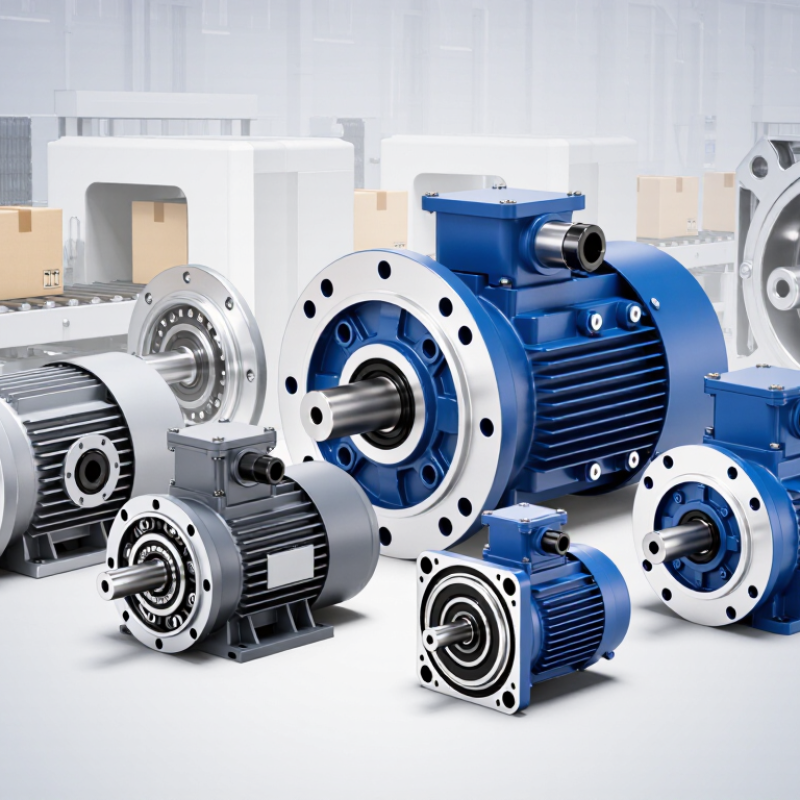
What Are the Best Industrial Gear Motors from China?

What Defines a High-Quality Industrial Gear Motor?

A high-quality industrial gear motor is defined by measurable performance, not a polished catalogue. Torque should remain stable under continuous load, with limited backlash and controlled temperature rise. The gearbox should follow recognized calculation practices, such as ISO 6336 for gear strength. Its motor should meet the applicable IEC 60034-30-1 efficiency class. These standards do not guarantee perfect production, but they create a reliable technical baseline.

Efficiency deserves close attention. The International Energy Agency estimates that electric motor systems consume roughly 50% of global electricity. Even small losses can become expensive across pumps, conveyors, and mixers operating every day.

A suitable Chinese gear motor should provide test records for efficiency, vibration, noise, insulation resistance, and thermal performance. Look for realistic duty-cycle data, not only peak torque. Sealed bearings, accurate machining, corrosion-resistant housings, and properly specified lubricants also influence service life.

Details reveal quality.

A traceable serial number, documented inspection process, and clear warranty terms support dependable purchasing. The U.S. Department of Energy has reported that motor-driven equipment represents about 68% of industrial electricity consumption in the United States. That figure makes lifecycle cost more important than the lowest purchase price. Still, one weakness remains: many buyers compare rated power while ignoring starting frequency, ambient temperature, shock loads, and maintenance access. A gear motor may pass a factory test yet fail in a poorly matched application. Honest suppliers should admit those limits and help validate the selection under real operating conditions.

Which Chinese Gear Motor Types Fit Different Industrial Applications?

Choosing the best industrial gear motor from China starts with the application, not the catalog price. Helical gear motors suit conveyors, mixers, and packaging lines requiring steady torque and good efficiency. Their inline structure also simplifies installation in narrow machine frames. A practical check includes output speed, continuous torque, duty cycle, and mounting dimensions.

Worm gear motors work well in compact lifts, gates, and low-speed positioning equipment. They offer high reduction ratios and quiet operation, but heat buildup can reduce efficiency during long shifts. Bevel gear motors are better for right-angle drives, such as pallet systems and material handling equipment. For heavy loads in limited spaces, planetary gear motors provide high torque density and controlled backlash. They usually demand stricter alignment.

Cycloidal gear motors handle shock loads and frequent reversing in industrial robots, conveyors, and process machinery. Their construction can tolerate demanding cycles, although maintenance access should be checked before purchase. Do not overlook the motor itself. Voltage, insulation class, brake response, IP rating, and thermal protection affect reliability. A neat spreadsheet can still mislead. Real installation conditions matter more.

In dusty workshops, sealed housings and suitable cable glands protect the drive from contamination. In washdown areas, corrosion-resistant materials and verified ingress protection become essential. Chinese manufacturers can provide strong customization, but specifications should be confirmed through drawings, test data, and sample runs. Ask for noise readings, efficiency curves, and service-part availability. Small omissions often become expensive delays.

How to Compare China’s Leading Industrial Gear Motor Manufacturers

Comparing China’s leading industrial gear motor manufacturers requires more than checking catalog prices. Start with application data: load, duty cycle, output speed, mounting position, and ambient temperature. A conveyor motor needs different protection than a mixer motor. Ask for continuous and peak torque values. Request efficiency curves, noise readings, and thermal test results. Reliable suppliers explain their test conditions clearly.

Examine production quality at component level. Check gear material, heat-treatment records, bearing sources, seal design, and housing accuracy. For dusty or wet areas, verify the stated IP rating with test evidence. Traceable serial numbers matter when a gearbox fails after months of vibration. Review inspection plans, sample reports, and relevant conformity documents. Never accept a certificate without checking its scope and issuing body. Small details reveal process control.

Commercial comparison also matters. Measure lead time, spare-part availability, warranty terms, engineering response, and technical support. Ask whether the supplier can produce a pilot batch before a larger order. A low quotation may hide weaker seals or limited after-sales support. I have seen specifications look excellent on paper, yet field performance depended on lubrication and alignment. That is the uncomfortable part. Independent testing remains valuable. Record temperature, vibration, noise, and current during trial operation. Then compare those results with the supplier’s original data.

What Technical Specifications Matter When Selecting a Gear Motor?

What Are the Best Industrial Gear Motors from China?

Selecting an industrial gear motor starts with the load, not the catalog image. Calculate continuous torque, peak torque, speed, and the required gear ratio. A conveyor carrying uneven boxes may need a higher service factor than a steady fan. Overlooking startup torque is a common mistake.

Check motor power, gearbox efficiency, thermal capacity, and duty cycle together. A motor rated for continuous operation may still overheat in a cramped enclosure. Confirm the insulation class, voltage, frequency, and braking requirements. For dusty or wet areas, review the IP rating and shaft-seal design. Backlash also matters. Positioning equipment needs tighter control than a slow mixer. Mounting dimensions, shaft diameter, noise level, vibration, and lubrication intervals affect installation and maintenance.

Tips: Request test data, not only rated values. Ask for torque-speed curves, temperature-rise results, efficiency figures, and dimensional drawings. Verify whether the stated torque is continuous or temporary. Confirm the service factor for your real operating cycle. A perfect spreadsheet still misses site conditions. Measure ambient temperature, shock loads, and available space before ordering. If the application is unusual, independent inspection and a sample endurance test can reduce risk. Cheap pricing may hide shorter seals, weaker bearings, or limited documentation. That possibility deserves attention.

How to Verify Quality, Certification, and After-Sales Support?

What Are the Best Industrial Gear Motors from China?

Selecting a Chinese industrial gear motor requires evidence, not attractive catalog claims. The International Energy Agency reports that motor-driven systems consume nearly half of global electricity. Small efficiency losses can therefore become expensive over time. Request the motor’s rated torque, service factor, efficiency class, noise level, thermal class, and IP rating. Then compare these values with your actual duty cycle, starting frequency, ambient temperature, and installation position.

Certification needs careful reading. ISO 9001 confirms a supplier’s quality-management system, not every motor’s performance. Ask for the certificate scope, expiry date, issuing body, and factory address. Request test records based on applicable IEC 60034 requirements, including temperature rise, insulation resistance, vibration, and load testing. CE documentation should include a valid declaration and supporting technical files. It is not automatically a quality seal. The 2024 Global Energy Efficiency Alliance report highlights the growing importance of verified efficiency data, yet paperwork can still contain gaps. A practical audit lesson is simple: match serial numbers across labels, reports, and invoices. I would not rely on screenshots alone.

Tips: Ask for a pre-shipment inspection by an independent laboratory. Confirm spare-parts availability, warranty exclusions, response times, and return procedures in writing. Request two customer references using similar loads. A useful supplier should explain failure analysis, not only promise replacement. One detail is often missed: after-sales support may depend on local time zones and technical language. Test communication before ordering.

FAQS

How should I choose a gear motor for my industrial application?

Start with load, output speed, duty cycle, mounting position, and ambient temperature. A conveyor may need steady torque and continuous operation. Check continuous torque, peak torque, voltage, and thermal protection before ordering.

Which gear motor type suits conveyors and packaging lines?

Helical gear motors fit conveyors, mixers, and packaging equipment requiring steady torque. Their inline structure helps installation inside narrow machine frames. Confirm efficiency curves and output speed.

When are worm gear motors a practical choice?

Worm gear motors suit compact lifts, gates, and low-speed positioning systems. They provide high reduction ratios and quiet operation. However, heat can build during long shifts and reduce efficiency.

Which gear motor works best for right-angle drives?

Bevel gear motors suit pallet systems and material-handling equipment with right-angle transmission. They can save space beside the machine frame. Check alignment and mounting dimensions carefully.

When should I consider planetary or cycloidal gear motors?

Planetary gear motors provide high torque density in limited spaces. They usually require accurate alignment and controlled installation. Cycloidal gear motors handle shock loads and frequent reversing. Maintenance access may be less convenient.

What motor specifications deserve close attention?

Check rated torque, service factor, efficiency, noise, insulation class, and IP rating. Also review brake response, voltage, thermal class, and starting frequency. A neat spreadsheet can still mislead. Real conditions matter more.

How can I verify a supplier’s quality claims?

Request drawings, sample-run results, efficiency curves, noise readings, and thermal test data. Review gear materials, heat-treatment records, bearings, seals, and housing accuracy. Match serial numbers across labels, reports, and invoices. Screenshots alone are weak evidence.

What should I check about certification and after-sales support?

Check certificate scope, expiry date, issuing body, and factory address. Quality-system certification does not prove every motor’s performance. Request relevant test records and supporting technical files. Confirm spare parts, warranty exclusions, response times, and return procedures in writing. Communication may fail across time zones.

Conclusion

Choosing the best Industrial Gear Motors from China requires more than comparing prices. A high-quality motor should provide efficient power transmission, stable operation, durable construction, low noise, and reliable performance under demanding industrial conditions. Different applications may require helical, worm, planetary, bevel, or other gear motor designs, depending on load, speed, torque, installation space, and operating environment. Understanding these differences helps businesses select a suitable solution for conveyors, packaging equipment, automation systems, material handling, and other industrial machinery.

When comparing manufacturers, buyers should review technical specifications such as rated torque, output speed, motor power, gear ratio, efficiency, duty cycle, protection rating, thermal performance, and expected service life. Quality verification is equally important, including production consistency, material testing, safety certifications, inspection records, and warranty terms. Clear communication, spare-parts availability, technical documentation, and responsive after-sales support can also reduce maintenance risks and improve long-term value. A careful evaluation of both product performance and supplier reliability leads to a more confident purchasing decision.

Ethan

Ethan

Ethan is a seasoned marketing professional with a deep expertise in our company's innovative product line. With a passion for sharing knowledge and insights, he takes the lead in regularly updating our corporate blog, where he explores industry trends, product features, and effective marketing......